
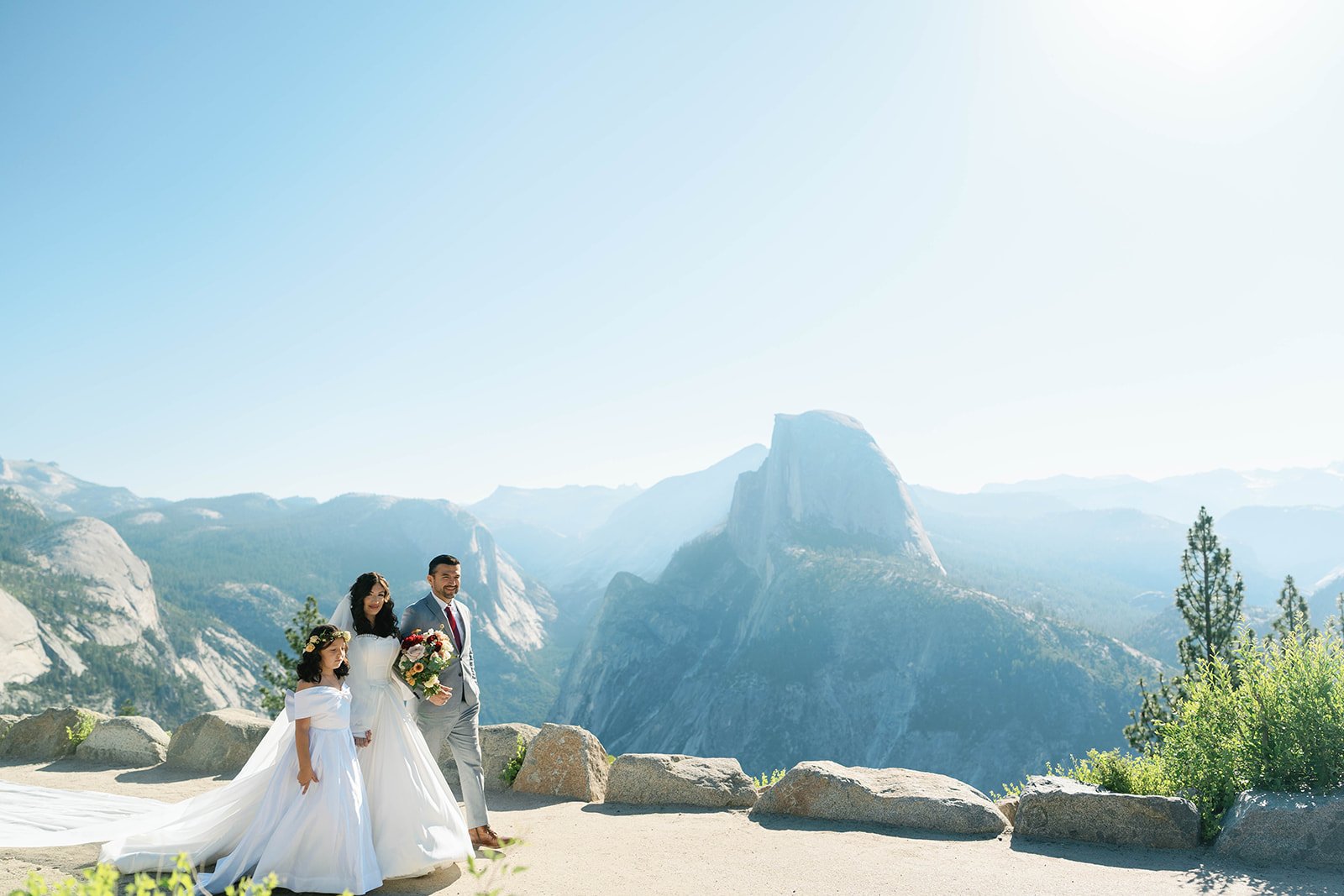
Whether you're planning an elopement with just the two of you or an intimate wedding with family, Yosemite National Park offers an incredible setting for a meaningful celebration. The granite cliffs, giant waterfalls, and mountain scenery can become part of your wedding story.
Choosing a beautiful location is only one part of creating your day! Your season affects which areas you can access. The guest count influences your ceremony options. And, the timeline determines how much time you have to explore, eat, and enjoy being together.
As a Yosemite elopement photographer and someone with 20 years of real, local experience in the park, I help couples connect these decisions and create a wedding experience that feels personal. This guide covers everything from choosing your ceremony location to planning your timeline, securing permits, and deciding where to stay. Let’s dive in!
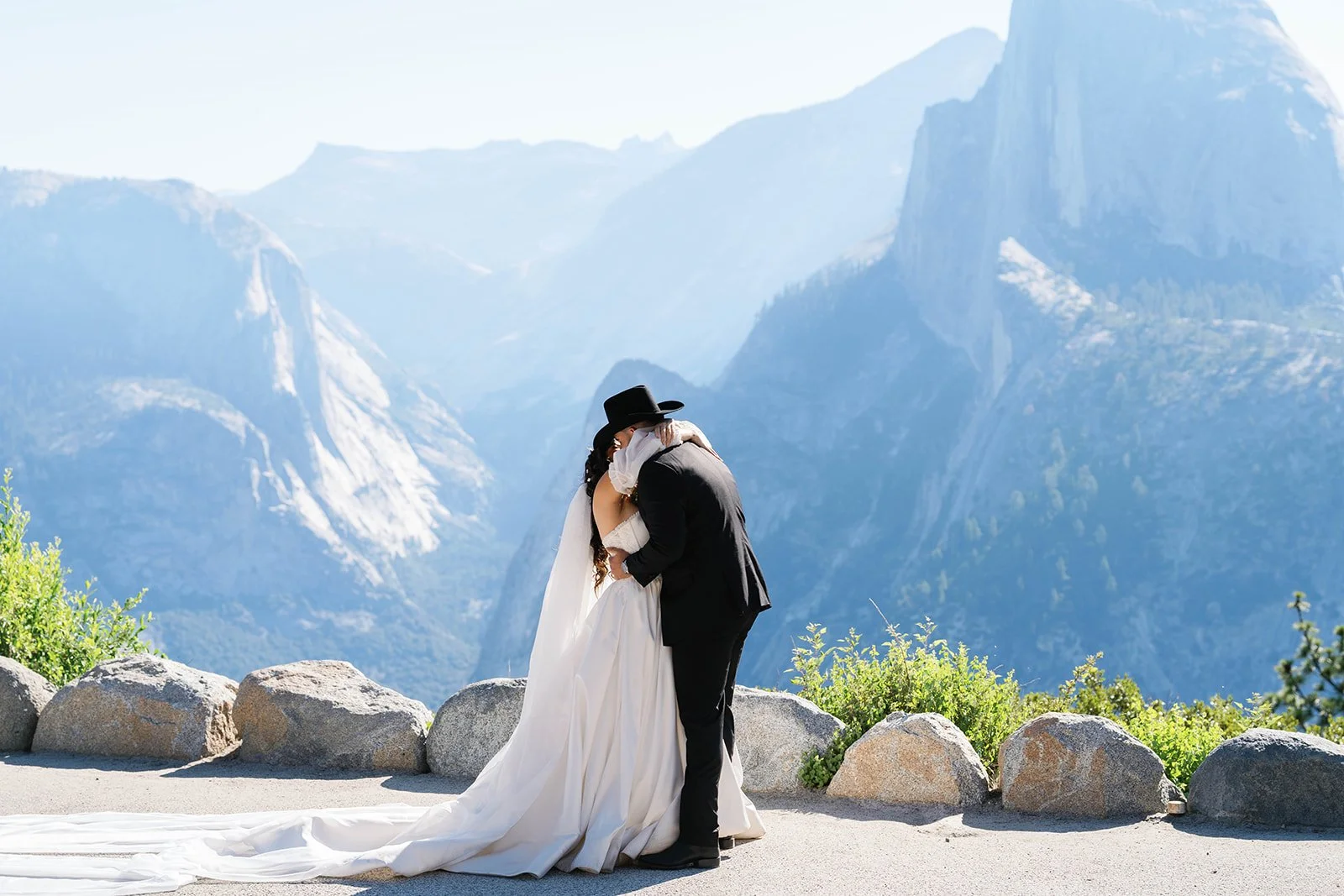
Why Couples Choose Yosemite for Their Wedding or Elopement
Yosemite offers the chance to get married somewhere that feels meaningful beyond the wedding itself. Maybe you've visited together before, shared a favorite hike, or always dreamed of seeing the valley in person.
The park also offers several ways to celebrate! You could exchange vows beneath towering granite cliffs, plan a ceremony near a waterfall, or spend the day exploring mountain scenery together. Couples who want to include family can build a celebration around an approved ceremony location and a meal afterward.
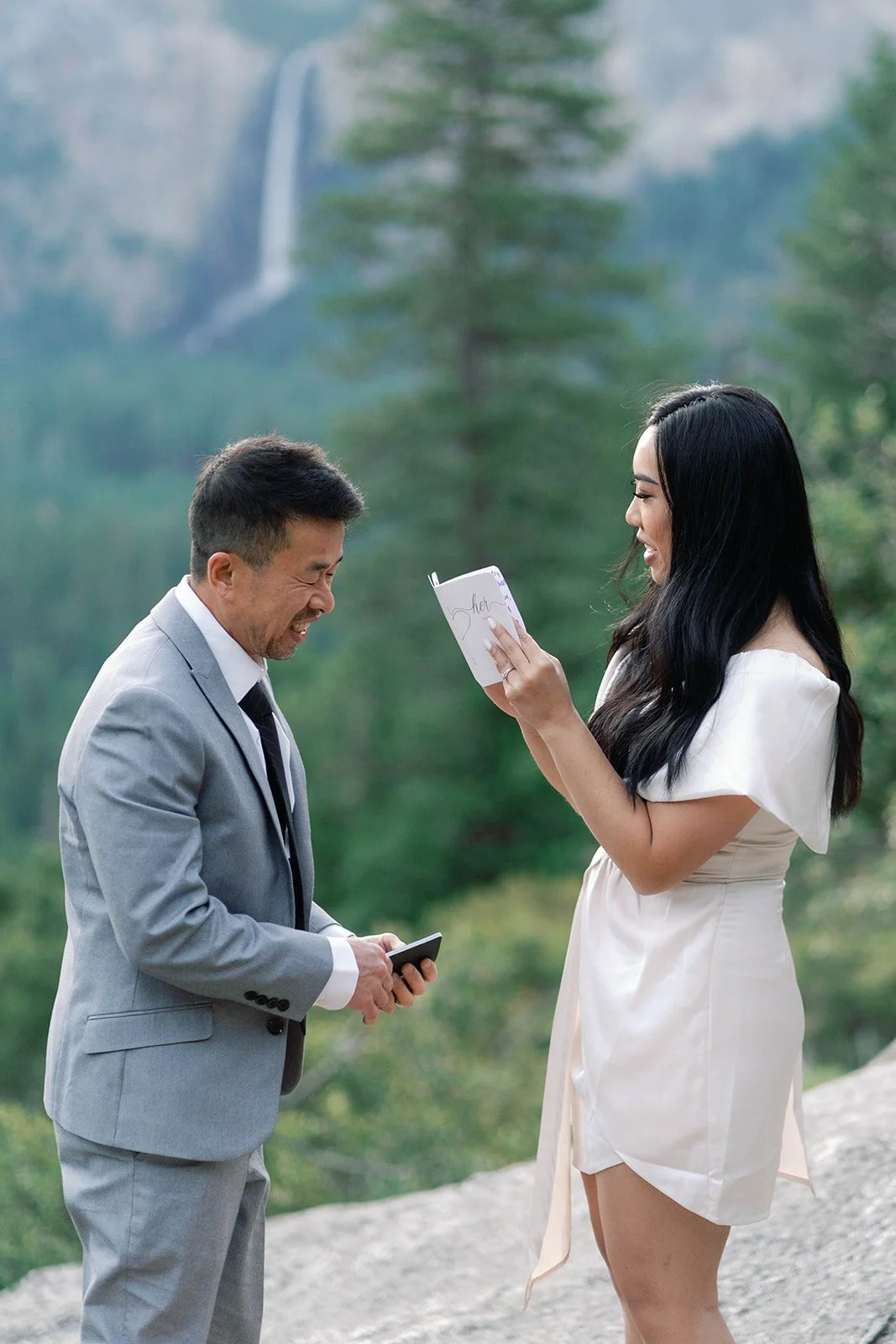
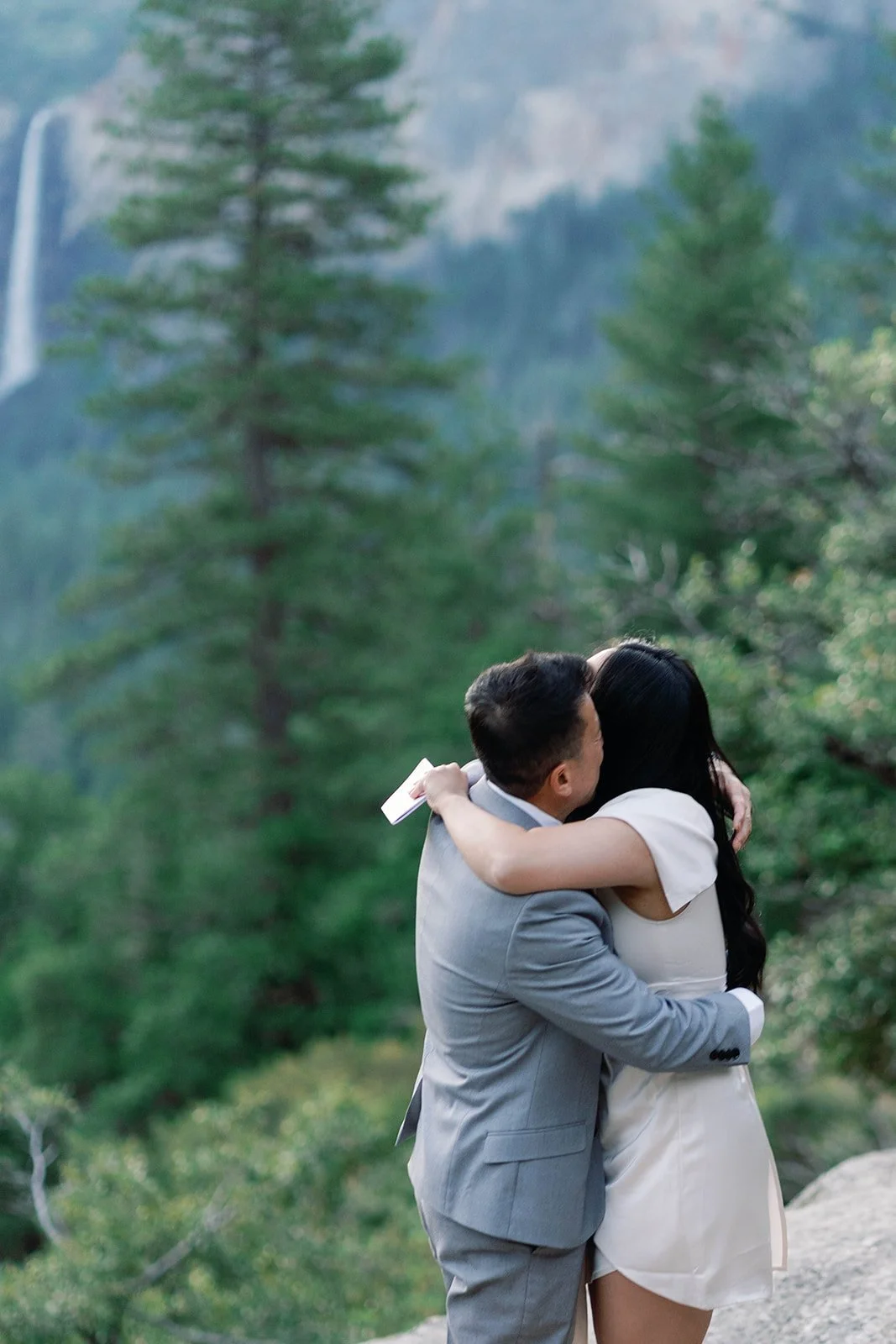
One of my favorite parts of photographing elopements is helping couples think beyond the ceremony. Your wedding day can include getting ready together, sharing private vows, hiking, enjoying a picnic, or returning to your cabin for dinner. You definitely don't have to follow a traditional wedding schedule. You can choose the moments that matter to you and build the day around them!
Who Is a Yosemite Wedding or Elopement Right For?
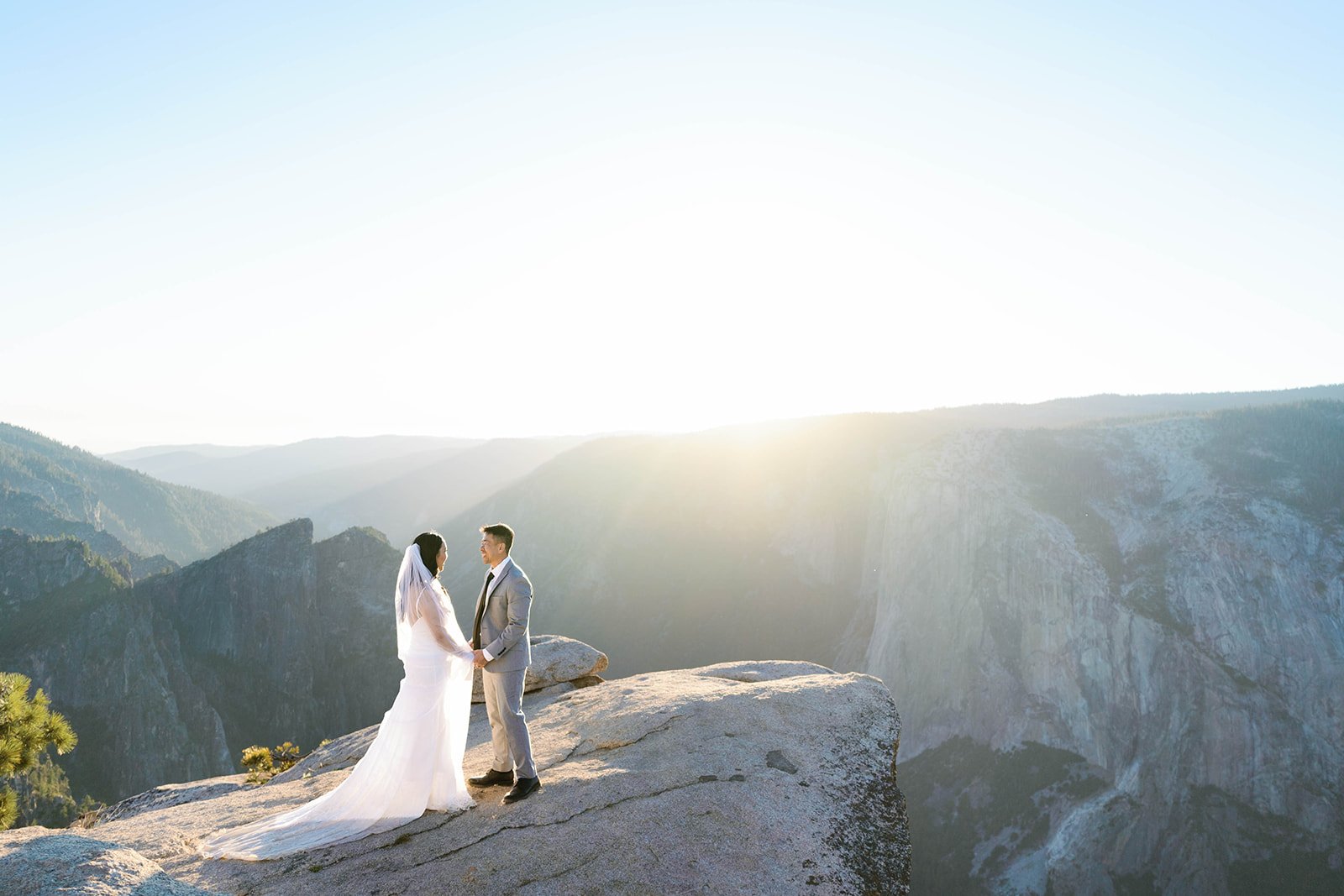
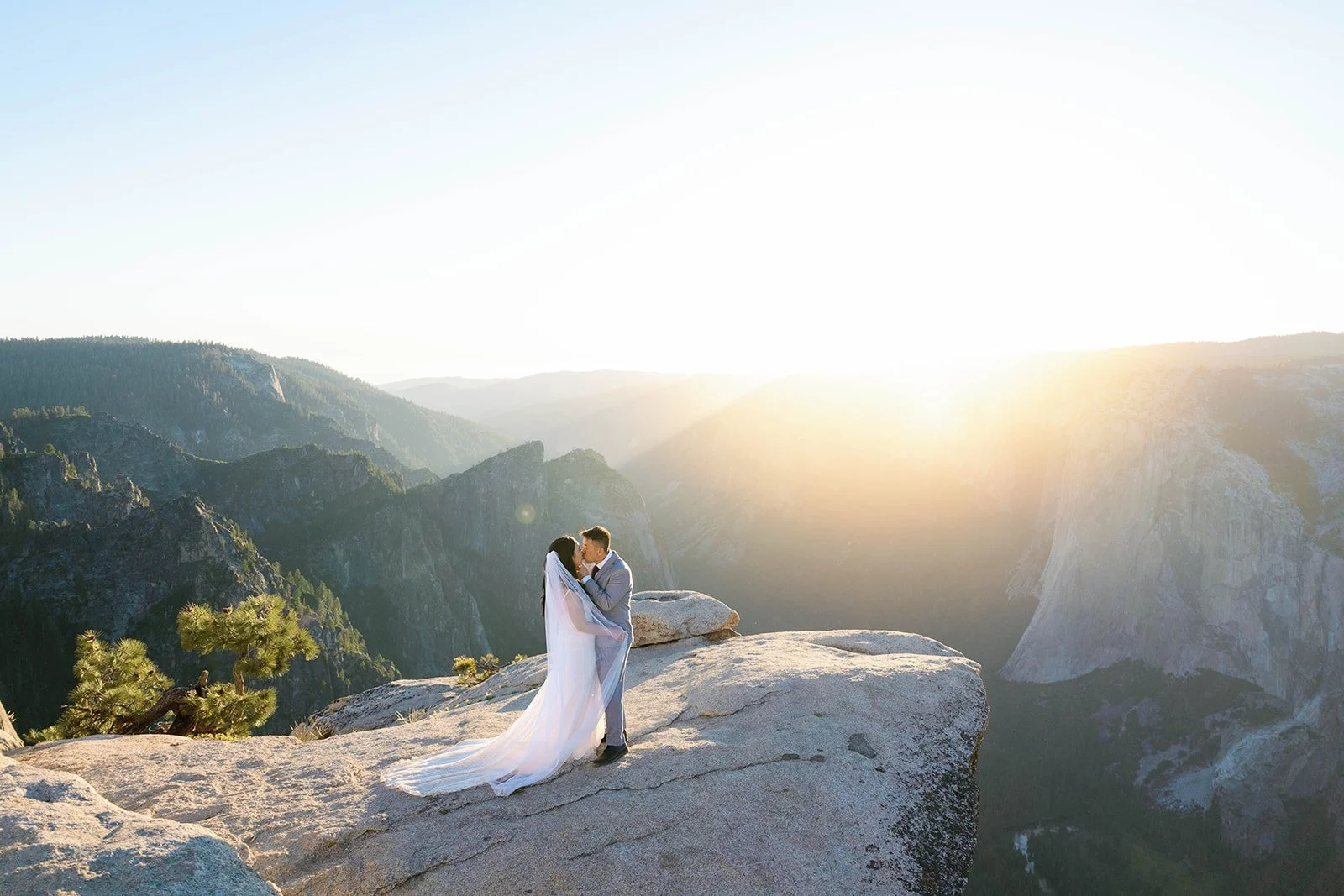
Yosemite can be a wonderful fit for couples who love the outdoors and want their wedding to be part of a bigger experience. You don't need to be experienced hikers. Some couples want a longer adventure, while others prefer a short walk to a scenic location. The important thing is choosing a plan that matches your comfort level and the experience you want.
Yosemite is also a public national park. Other visitors may be nearby during your ceremony and portraits, even at beautiful locations away from the busiest areas. Couples who appreciate the natural setting and shared public spaces tend to enjoy the experience most.
For weddings with guests, think about everyone's needs from the beginning. Consider walking distances, accessibility, transportation, and how your guests will spend the rest of the day.
Best Time of Year for a Yosemite National Park Elopement
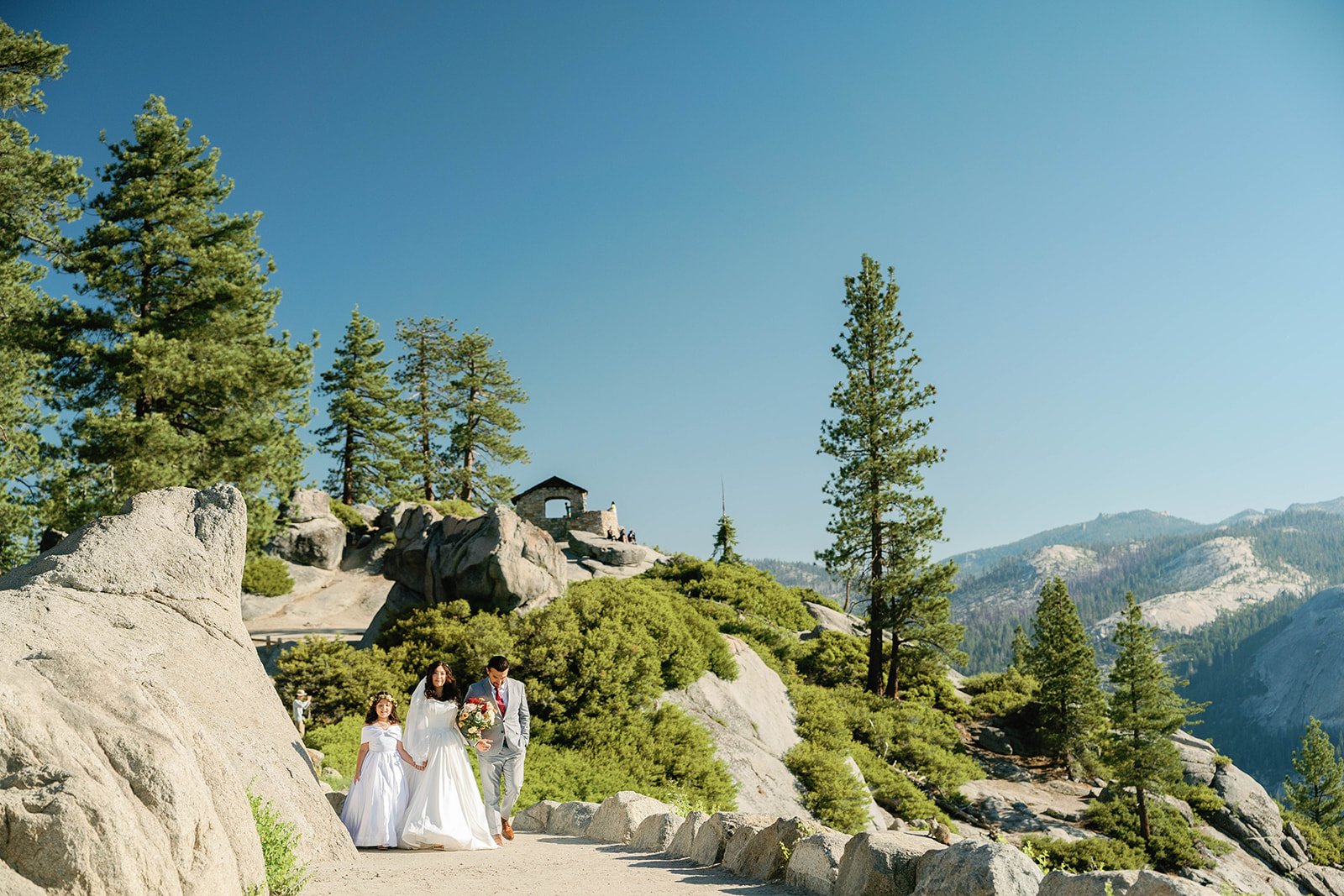
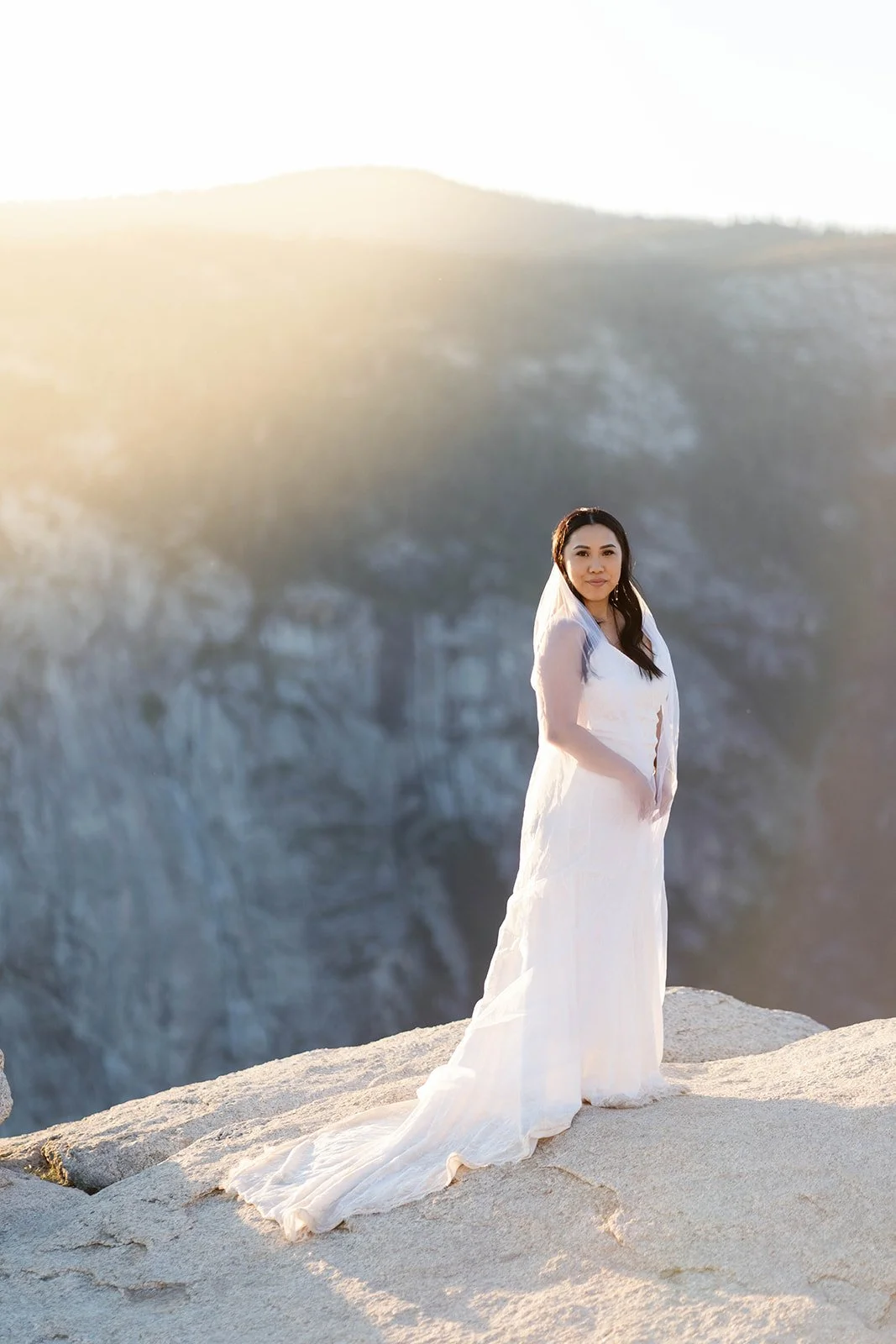
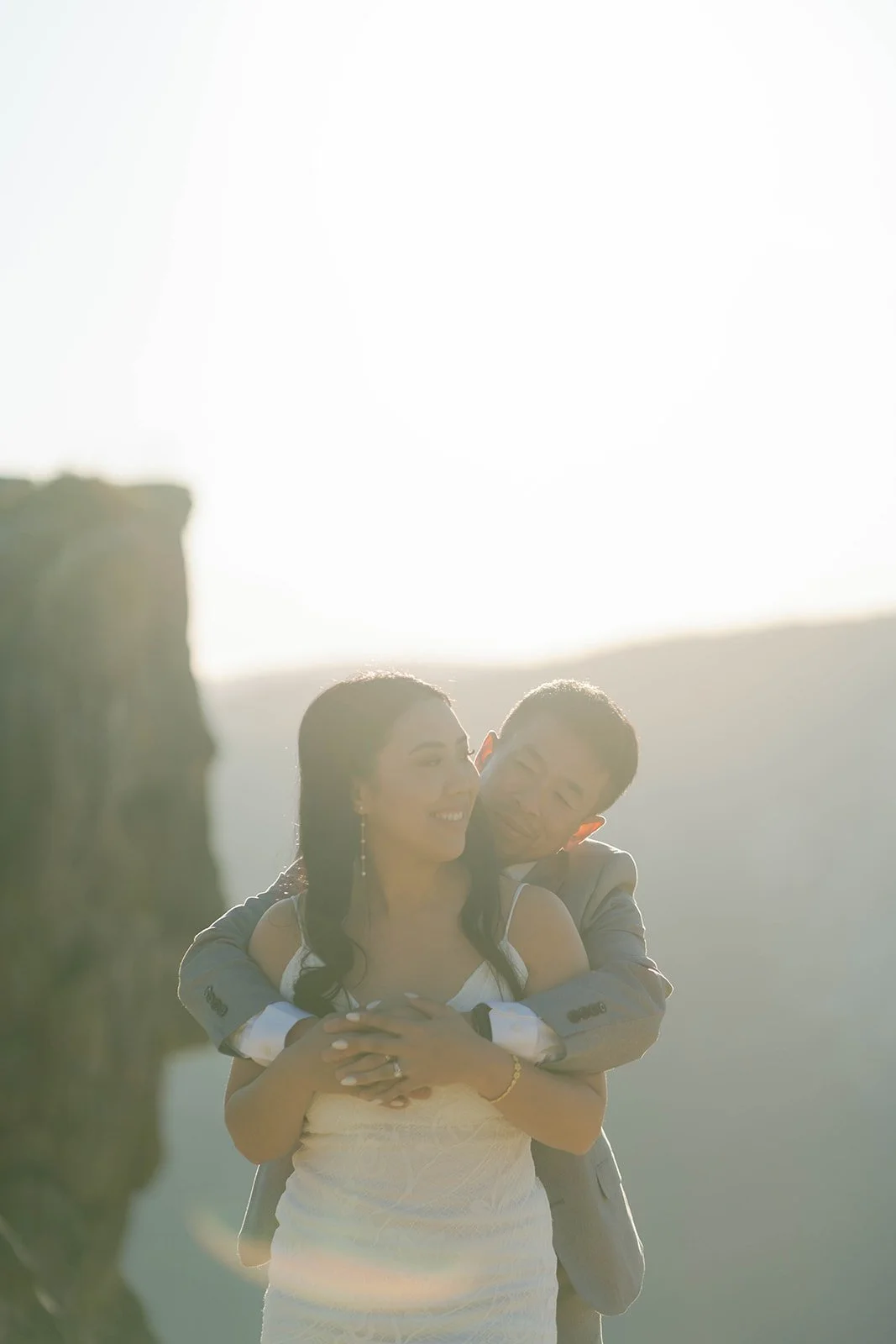
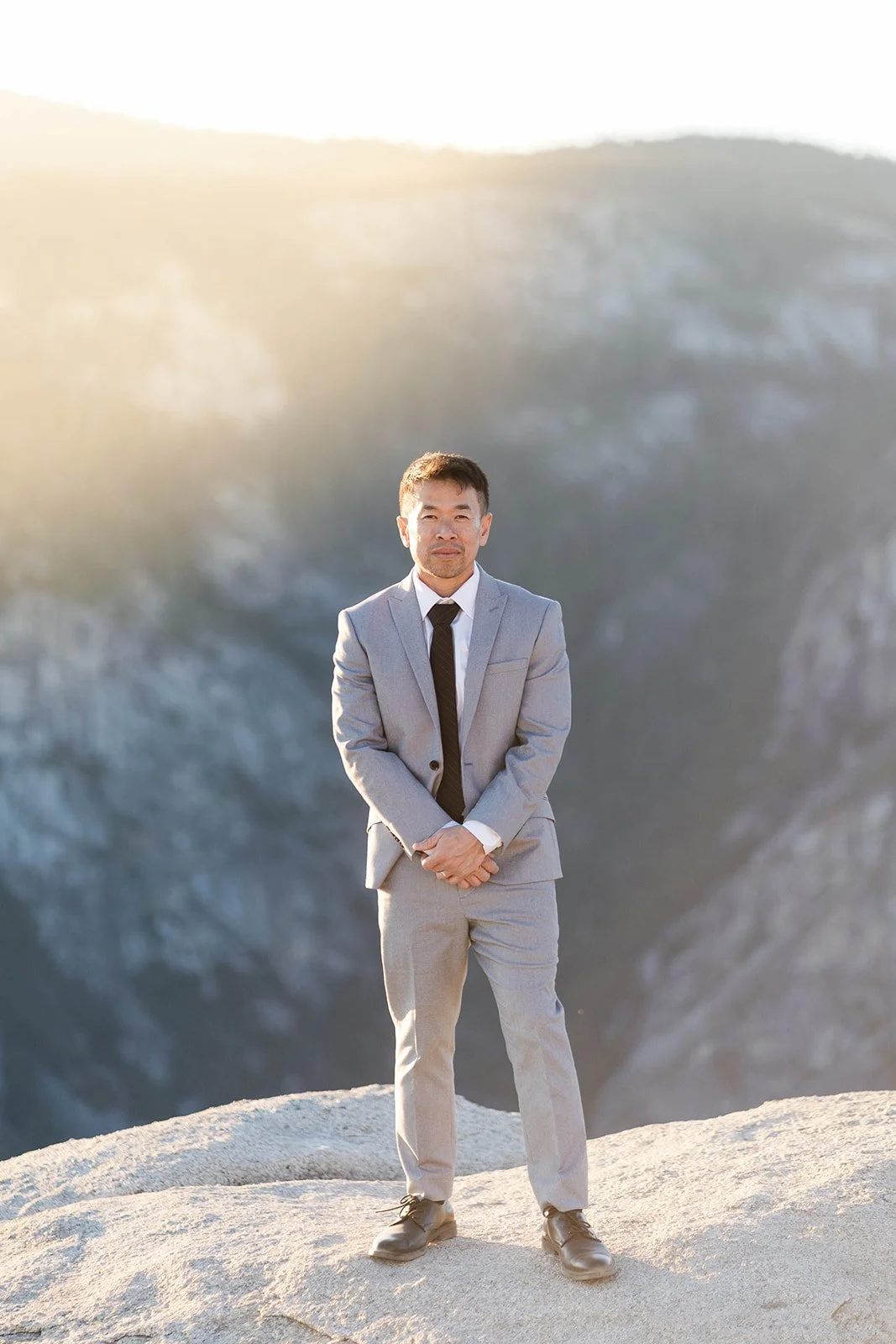
The best season depends on the scenery you love and the experience you want. Each season brings different conditions, and access to certain areas changes throughout the year.
Spring Yosemite Elopements and Weddings
Spring is a great season to consider when waterfalls are high on your list. Snowmelt often brings stronger waterfall flow, especially in Yosemite Valley, although conditions vary with the winter's snowfall and spring temperatures.
I would start with a Valley-focused plan for couples who want waterfall scenery. You can build a ceremony and time to explore around nearby locations without relying on access to the higher elevations.
Spring weather can change quickly, and snow may linger at higher elevations. Glacier Point Road and Tioga Road have seasonal closures, so check current access rather than choosing a date based on a typical opening month.
Best for: Couples who love waterfalls and want to experience Yosemite Valley during the spring.
Summer Yosemite Elopements and Weddings
Summer brings longer days and opportunities to explore higher elevations when roads and trails are open. It's a popular time for weddings, so your location choices and timeline deserve careful thought.
Temperatures can rise, especially in exposed areas. Waterfall flow also tends to decrease as summer progresses. An early ceremony followed by breakfast can be a lovely way to begin the day, while an afternoon or evening plan may work well at locations that suit your approved schedule.
Keep in mind that an open road doesn't automatically mean ceremonies are permitted at every location along it. Confirm ceremony approval and seasonal access before finalizing your plans.
Best for: Couples who want a summer adventure and more opportunities to explore the park.
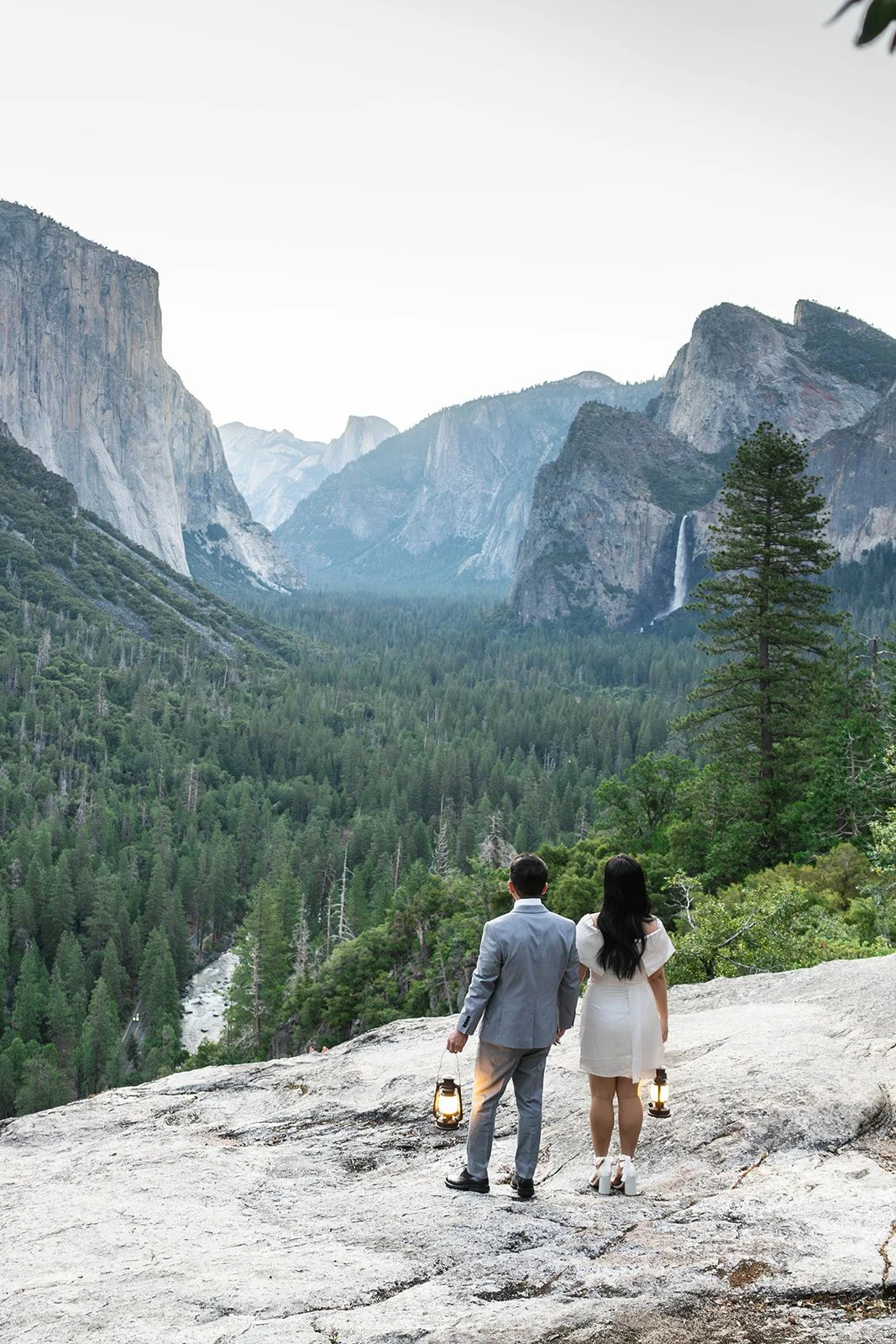
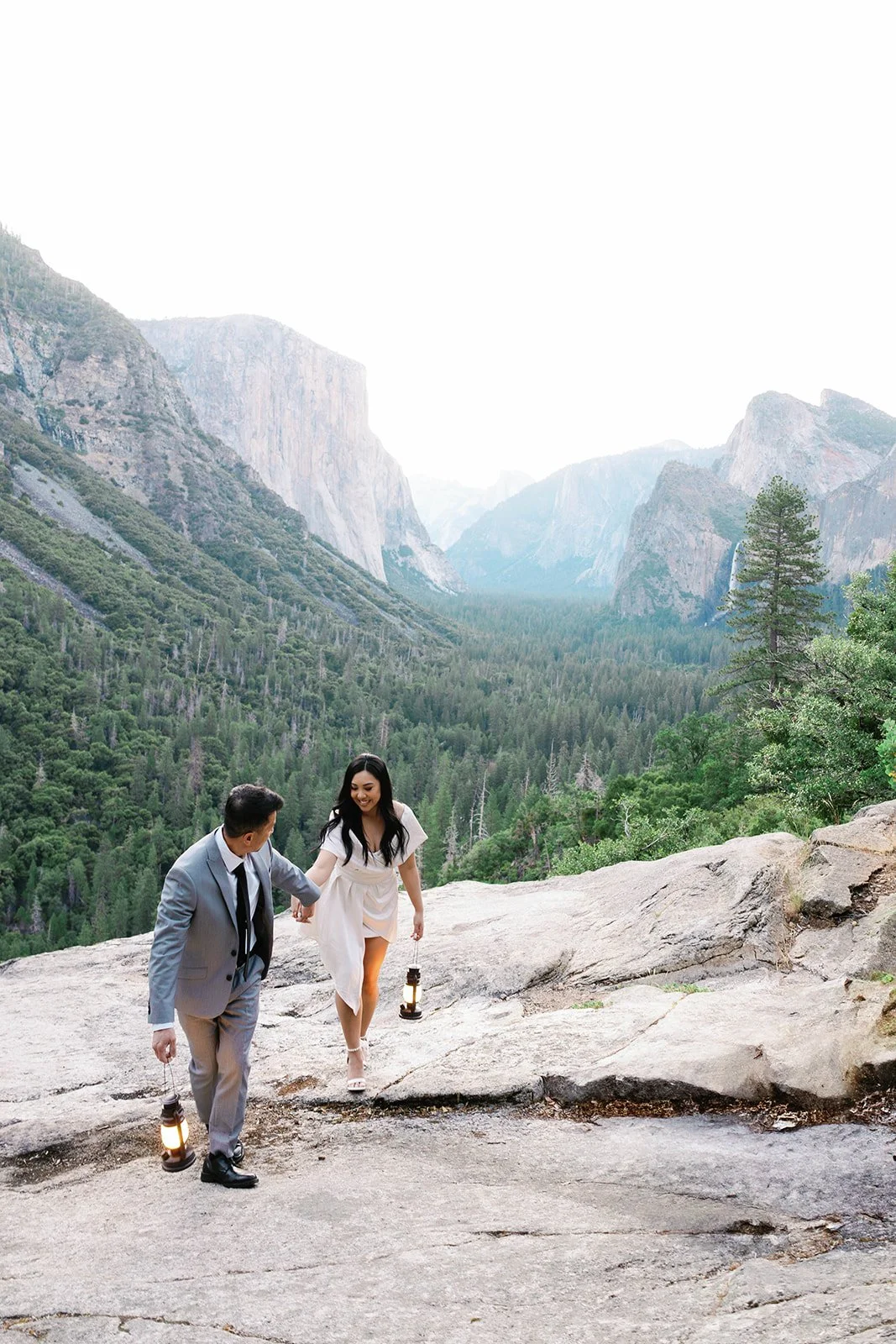
Fall Yosemite Elopements and Weddings
Fall can be a beautiful time for an autumn mountain trip. Temperatures may be comfortable for exploring, and changing foliage adds seasonal interest in parts of the park.
Waterfall flow is often lower than in spring, and the weather can range from warm afternoons to rain or snow. Shorter days also affect how much you can fit into your timeline.
I recommend planning around the light at your chosen locations rather than relying on official sunset time alone. Trees and canyon walls can block direct sunlight well before sunset.
Best for: Couples who enjoy autumn scenery and want a wedding day centered on exploring the park.
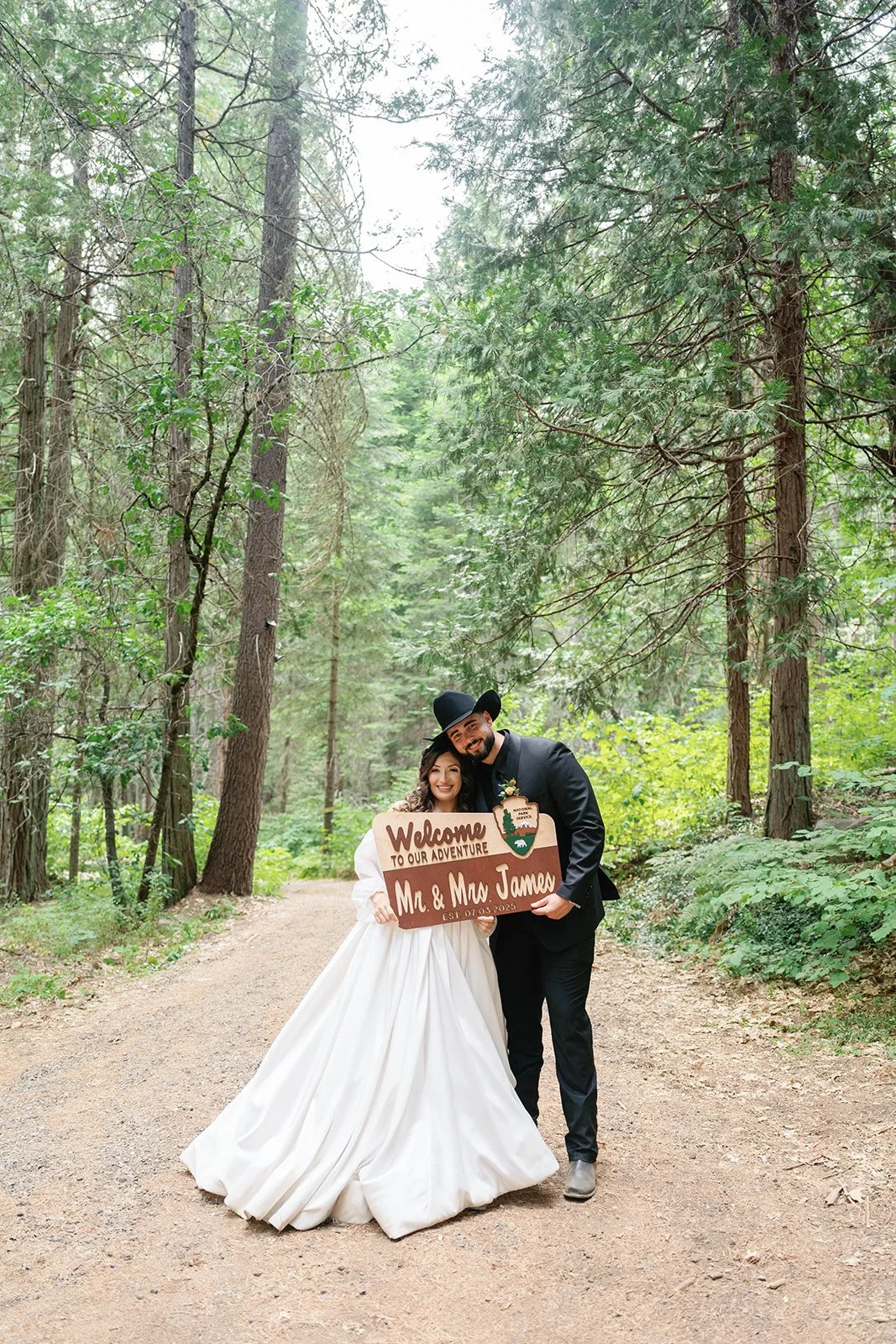
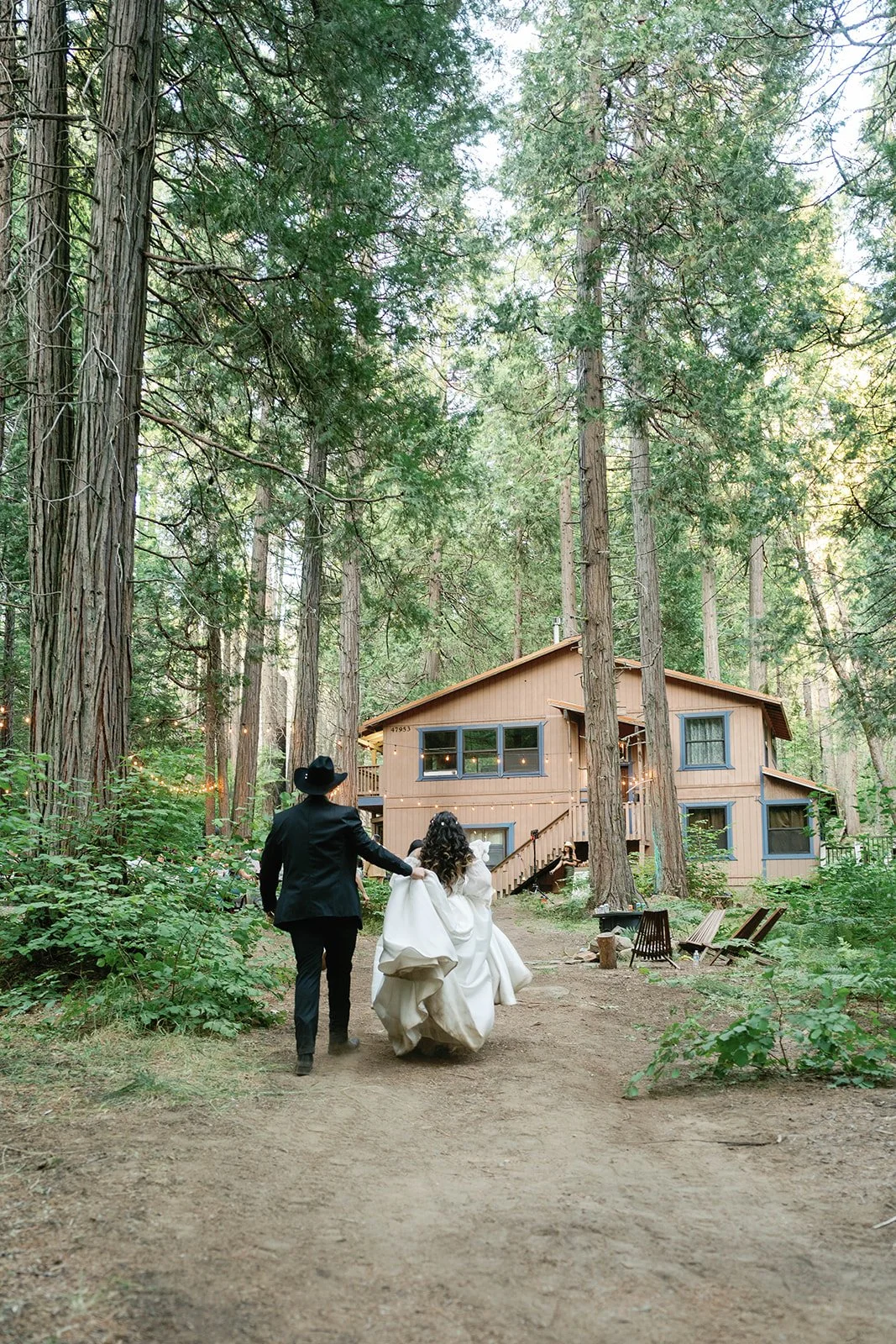
Winter Yosemite Elopements and Weddings
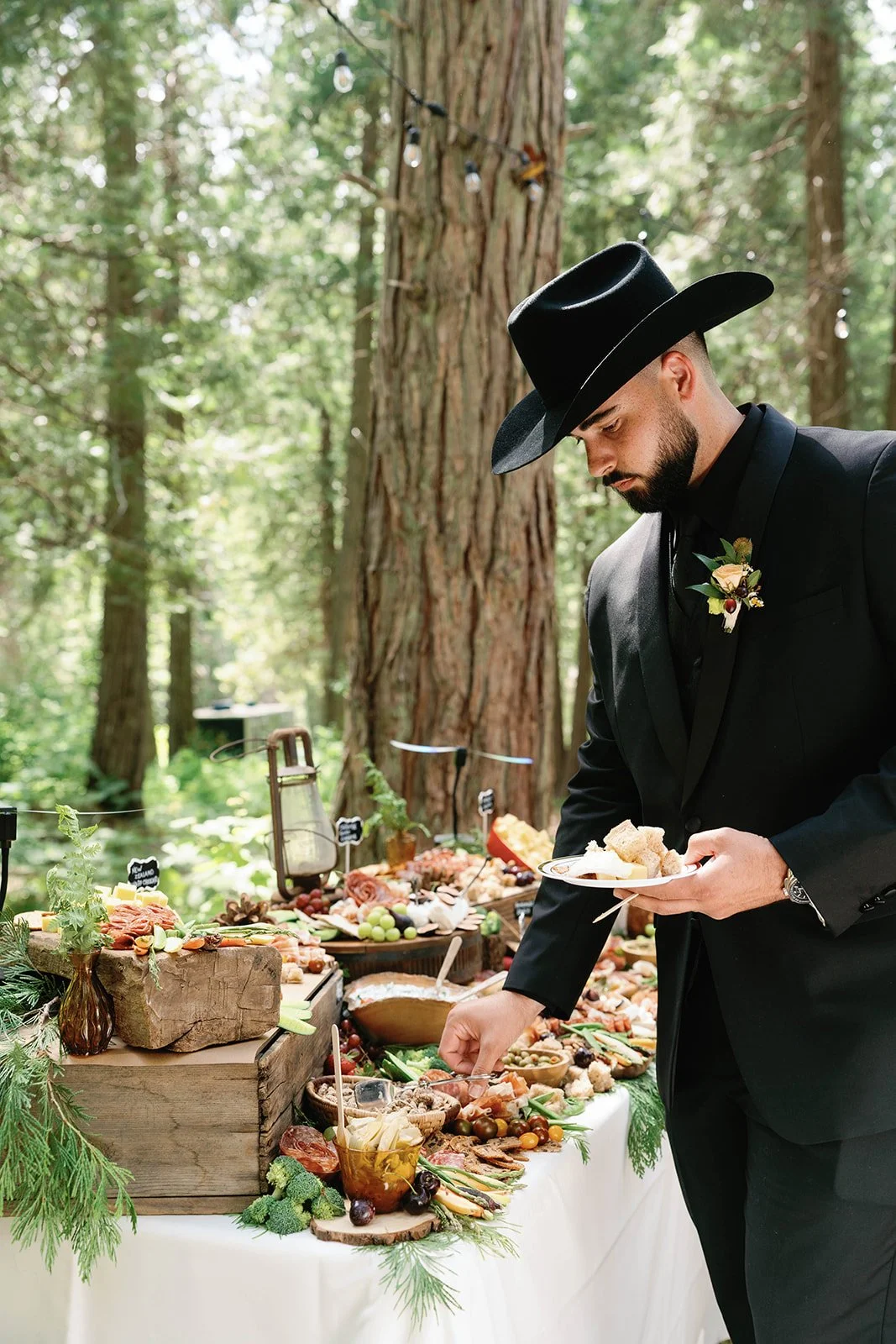
Winter can bring snow-covered landscapes and a completely different feel to Yosemite. A cozy cabin stay can become part of the celebration, especially when you plan time to warm up and enjoy a meal together after your ceremony.
Your plans need to account for winter driving, seasonal road closures, and possible chain requirements. Snow is also a possibility rather than a guarantee, so choose your date and locations with the conditions in mind.
I would build a winter itinerary around accessible locations and discuss alternatives early. That gives you a clear plan while leaving room to enjoy whatever scenery the season brings.
Best for: Couples who enjoy cold weather, winter landscapes, and a cozy place to return to afterward.
Best Yosemite Wedding and Elopement Locations
Choosing your ceremony location involves more than finding a beautiful backdrop. Think about your guest count, how much walking everyone can comfortably do, the time of year, and what you want to experience after the ceremony.
Yosemite has designated ceremony locations with specific capacities and restrictions. The National Park Service can also consider alternate locations for parties of fewer than 11 people, subject to restrictions and approval. A scenic spot you see in photographs isn't automatically an approved ceremony site.
The locations below are useful starting points. Always confirm current availability, capacities, and rules through the official Yosemite ceremony locations guide before making commitments.
Cathedral Beach
Best for: Couples who want a riverside setting with views of El Capitan and a day centered on Yosemite Valley.
Cathedral Beach is worth researching for couples drawn to the river and the surrounding granite cliffs. Its setting can work well for a celebration that includes nearby exploring and portraits.
Morning is a good starting point when considering visitor activity and light. The surrounding cliffs affect how sunlight reaches the area, so your ideal photography time may differ from official sunset.
Check the current ceremony location list before building your plans around Cathedral Beach. Designated locations and their restrictions can change.
Sentinel Beach
Best for: Couples planning a wedding with family who want to keep the day centered on Yosemite Valley.
The official location guide lists a maximum capacity of 100 people for Sentinel Beach. Its location makes it worth exploring for couples who want to combine a ceremony with nearby Valley activities.
The area is shared with other park visitors, and parking is limited. Think about how guests will arrive, where everyone will meet, and how you'll travel to dinner afterward.
Swinging Bridge Picnic Area
Best for: Couples who want to explore a small ceremony and spend time with loved ones in Yosemite Valley.
Swinging Bridge is a familiar Valley landmark with views of the surrounding landscape. It's worth distinguishing the scenic area from the exact location where a ceremony may be approved.
Confirm whether the picnic area is available for your intended ceremony before including it in your plans. Nearby visitor activity and the condition of the surrounding surfaces can also affect the experience.
Lower Yosemite Fall Paved Trail
Best for: Couples who love waterfall scenery and want to explore a location with a paved approach.
The official ceremony location guide lists a designated site along the Lower Yosemite Fall paved trail, with a maximum capacity of 50 people. The ceremony takes place at the approved area along the route, rather than at the base of the waterfall.
Spring and early summer are worth considering when waterfall flow is a priority. The paved approach may also make this location worth exploring for guests who find hiking trails difficult, though you'll still want to check the full route against everyone's needs.
Bridalveil Fall
Best for: Couples drawn to waterfall scenery who want a location with a relatively short approach.
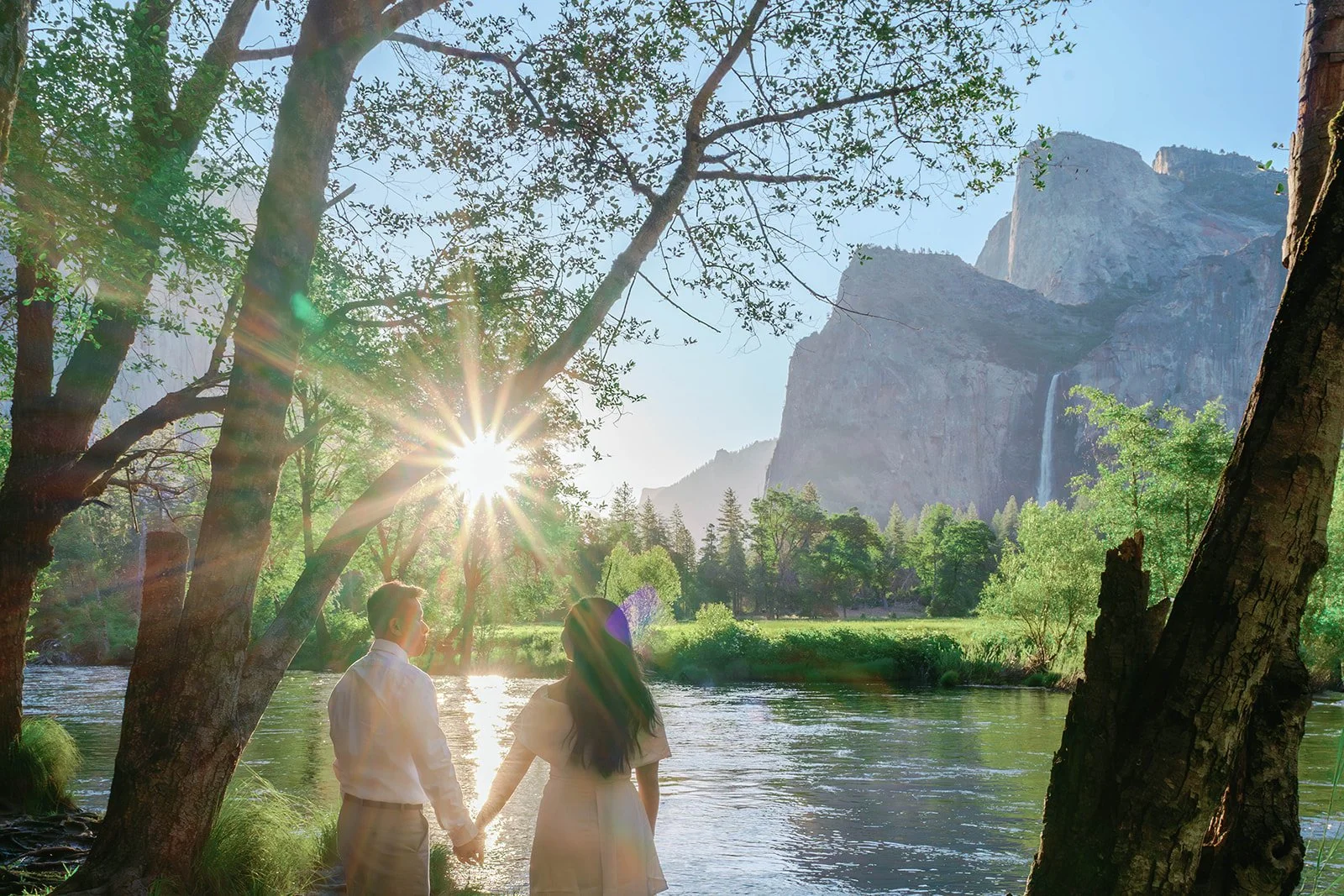
Bridalveil Fall is another designated ceremony location, with a listed maximum capacity of 50 people. Spring and early summer can bring stronger water flow, although conditions vary from year to year.
Water volume can affect how easily guests hear your ceremony. Think about that when choosing your location and discussing the experience you want. Morning is a useful starting point for planning. We'll also consider how the surrounding trees and cliffs affect the light.
Glacier Point Amphitheater
Best for: Couples who want mountain views to be a central part of their wedding.
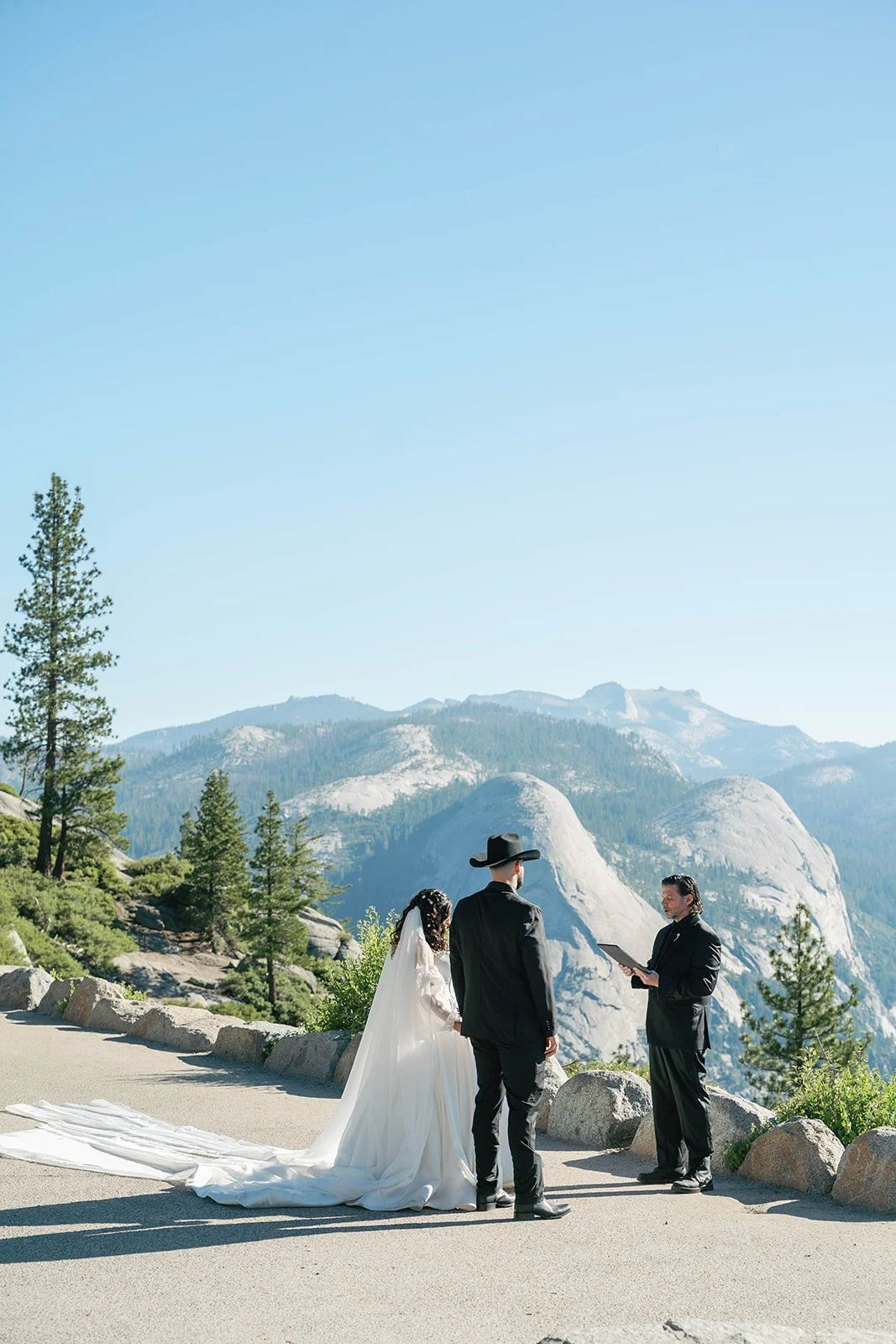
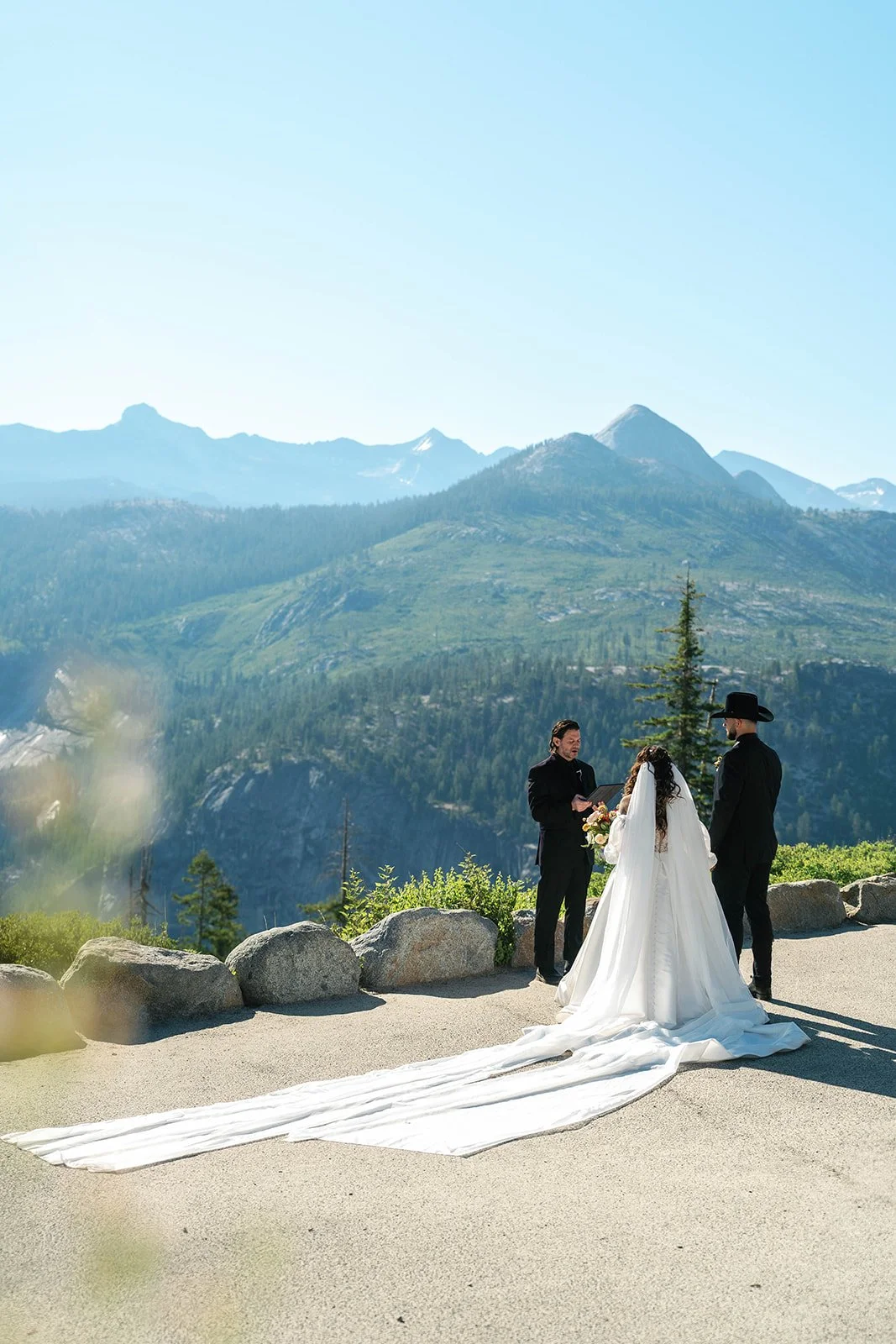
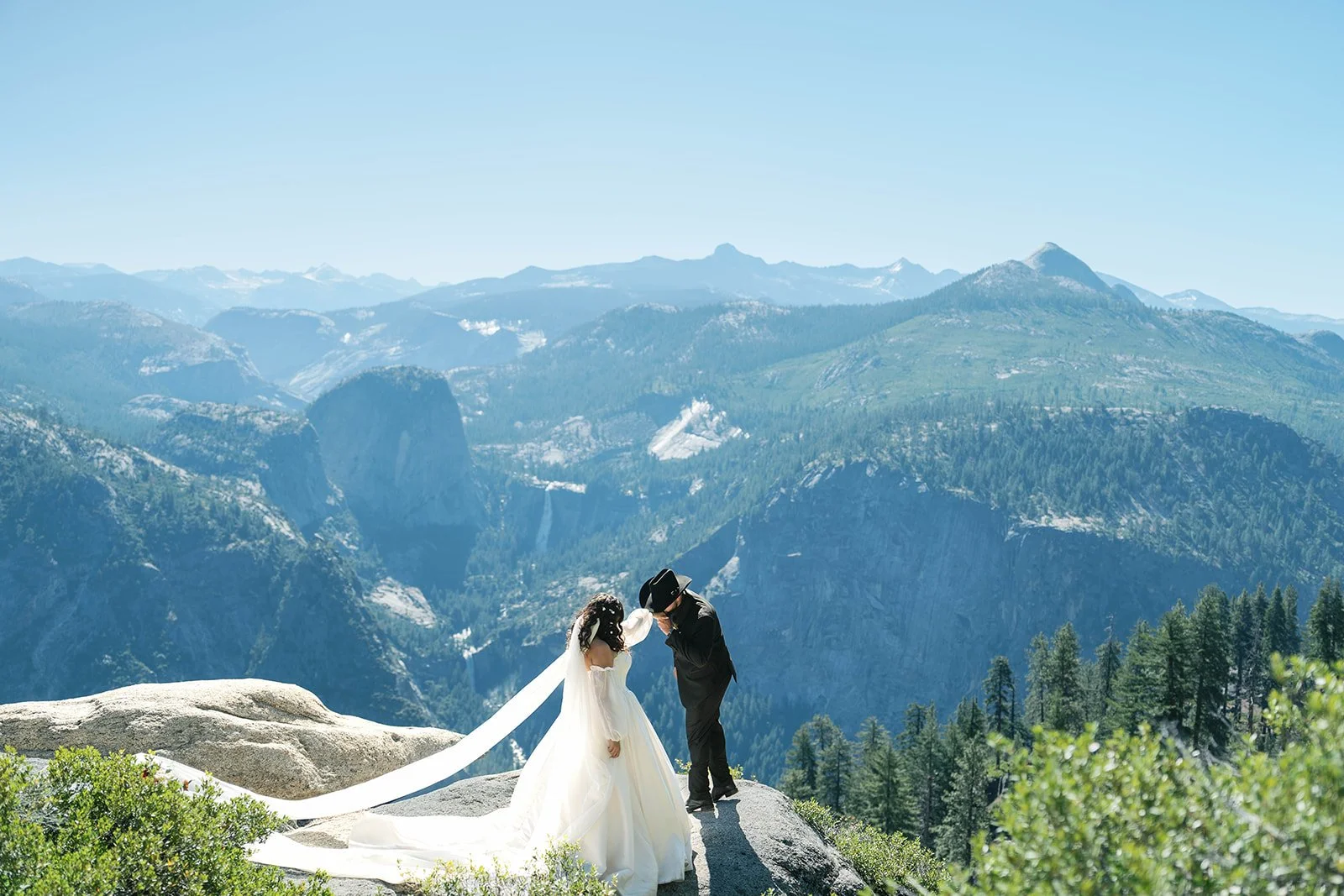
Glacier Point offers sweeping views across Yosemite's granite landscape. The official ceremony guide lists a maximum capacity of 50 people, with specific seasonal restrictions.
The ceremony window generally begins on the Tuesday after Memorial Day and ends September 30, subject to road access and current park rules. Weddings are not scheduled here in July or August under the listed guidelines.
June and September are worth exploring, but confirm availability before committing to a date. The road can close because of storms or other conditions, and your ceremony requires approval.
Tenaya Lake Beach
Best for: Couples who love alpine scenery and want a day focused on the high country.
Tenaya Lake offers a different atmosphere from Yosemite Valley, with a mountain lake setting surrounded by granite and forest. The designated ceremony area is at the east end of Tenaya Lake Beach Picnic Area.
The official guide lists a maximum capacity of 50 people and seasonal availability tied to the opening of the road through September 30. Snow may remain in the area, even after road access begins.
This location can work well for couples who want to explore the high country, but the travel time and seasonal access should shape your plans from the start.
Tuolumne Grove
Best for: Couples who want a forest experience and enjoy walking together.
Tuolumne Grove offers a ceremony setting among giant sequoias. The official guide lists a maximum capacity of 30 people and a round-trip walk of about 2.5 miles.
The trail is paved but steep, with a descent into the grove and a climb back to the parking area. The ceremony must remain on the footpath, and standing on sequoia roots or near the trees is prohibited.
Summer and early fall are worth considering after checking trail conditions. Make sure everyone attending understands the walk and has enough time for the return journey.
Merced Grove
Best for: Couples who want hiking to be part of their wedding experience.
Merced Grove offers another way to experience Yosemite's giant sequoias. The designated ceremony area has a listed maximum capacity of 30 people, and the round-trip hike is about three miles.
The trail is unpaved and rated easy to moderate, with a climb back to the parking area. Plan around daylight and make sure everyone is comfortable with the physical commitment. This setting can be especially meaningful for couples who enjoy the journey as much as the ceremony itself.
Taft Point and Sentinel Dome
Best for: Couples who love hiking and want a mountain-view adventure.
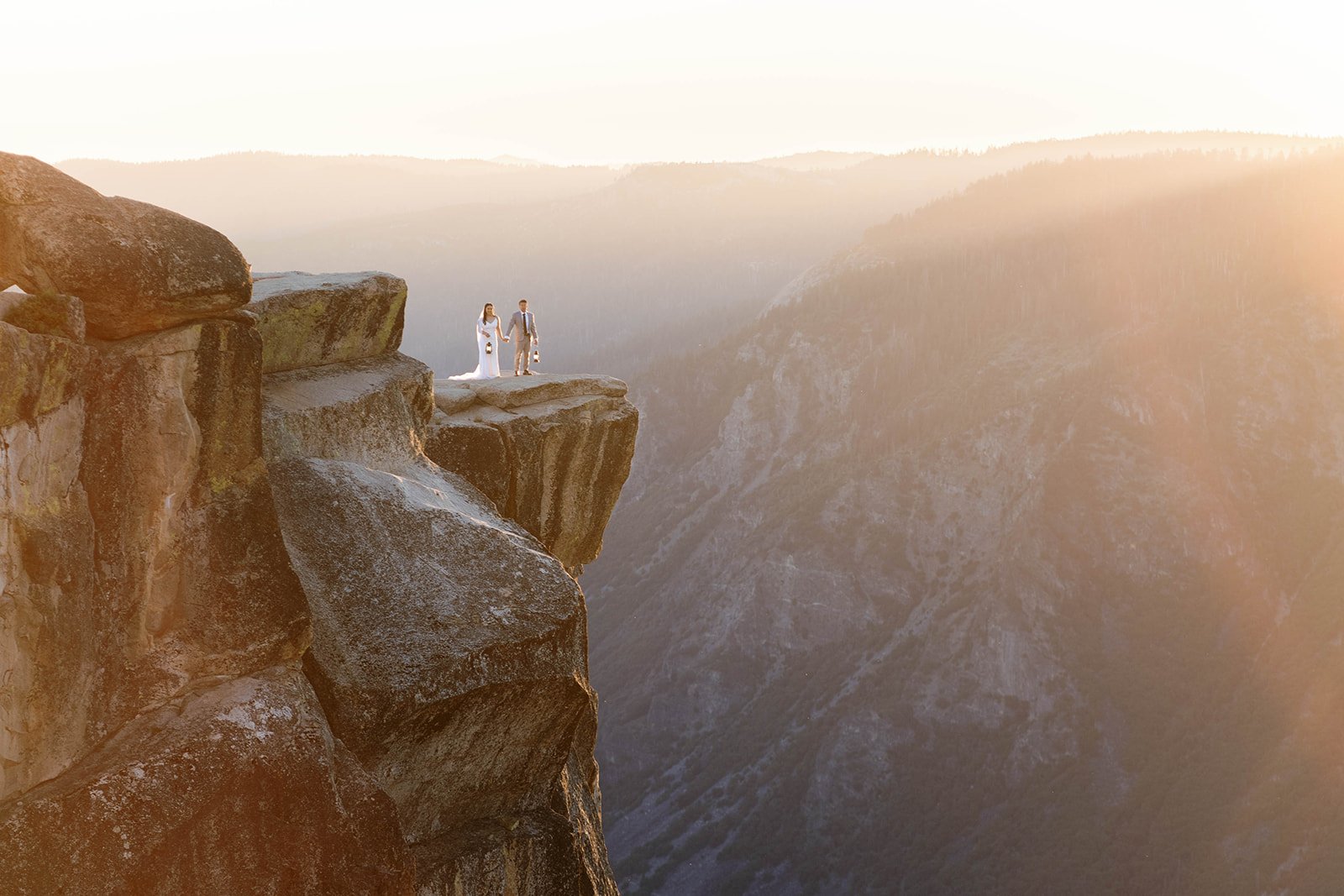
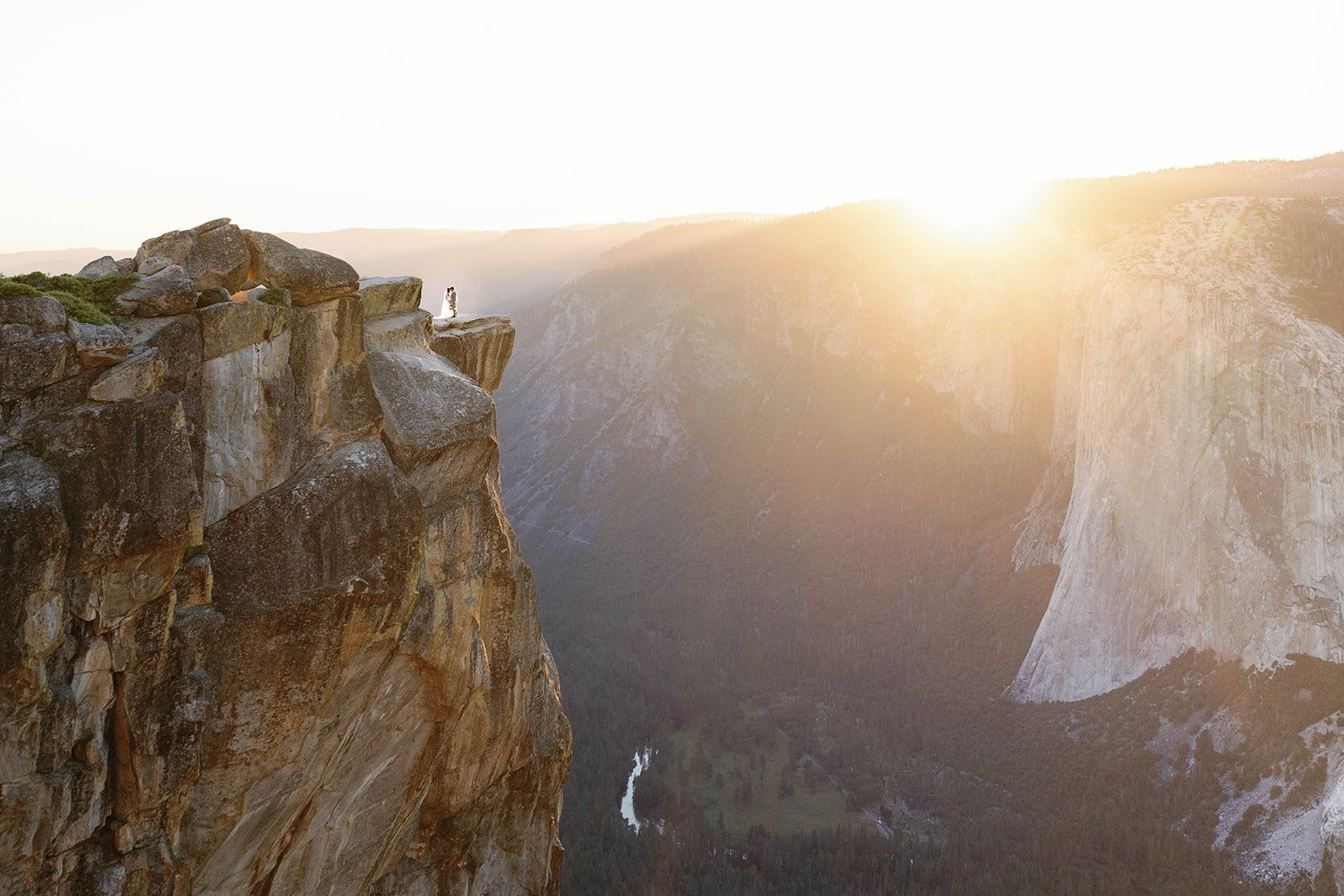
Taft Point and Sentinel Dome are popular destinations for portraits and hiking. Their scenic appeal makes them worth discussing when you're planning an elopement with a very small group.
However, they should not be treated as automatically approved ceremony locations with a guaranteed capacity. Yosemite allows parties of fewer than 11 people to propose alternate locations, subject to restrictions and approval.
For Taft Point portraits, I often consider late afternoon while allowing enough time for the walk back. Sentinel Dome also requires planning around the route, daylight, and everyone's comfort with the terrain.
Yosemite Valley Versus the High Country
Yosemite Valley can be a practical starting point for couples who want nearby lodging, well-known scenery, and options for exploring between locations.
The high country may appeal to couples who want alpine scenery and a day centered on mountain exploration. It requires more attention to seasonal road access and travel time.
You don't need to visit both areas to have a complete wedding day. Choosing fewer locations can give you more time to enjoy each one.
Yosemite Wedding Permits and the Application Process
Yosemite requires a special use permit for weddings and commitment ceremonies held within the park. The National Park Service currently lists a $150 nonrefundable application fee, with additional monitoring charges possible for some larger events.
Ceremonies may be scheduled up to one year in advance, and applications must be submitted more than 21 days before the event. The park's rules and fees can change, so check the official Yosemite wedding permit page for the requirements that apply to your date.
How to Begin
Choose a preferred ceremony date and location.
Identify alternative dates or locations you would also love.
Review the current ceremony location list and application instructions.
Submit the required application and payment.
Wait for approval before treating your arrangements as confirmed.
Your approved permit determines the details of your ceremony. The park limits events to two hours at ceremony locations, and the permit does not reserve the setting exclusively. Other visitors may continue using the area.
Yosemite also has restrictions on decorations, furniture, amplified sound, and other activities. Formal wedding receptions are not permitted in day-use areas under the ceremony permit. Plan your dinner or reception separately.
How to Legally Get Married in Yosemite
Your marriage license and Yosemite ceremony permit are two separate requirements.
A California public marriage license can be obtained from any California county and used for a ceremony anywhere in the state. It's valid for 90 days, so schedule your appointment within that period.
Check the issuing county's appointment process before traveling to collect your license. A public marriage license requires at least one witness, so arrange for someone to attend if you're planning to elope without guests.
Your officiant is responsible for returning the completed license to the appropriate office within the required timeframe. Confirm those arrangements before your wedding day. If you
You can also complete your legal marriage separately and hold a commitment ceremony in Yosemite. The park's ceremony approval requirements still apply, though.
Sunrise Versus Evening for Your Yosemite Elopement
The time of day affects your timeline, travel, and photography. Your ideal schedule depends on the location, season, and experience you want.
Sunrise
A sunrise plan means an early start, and you may travel in darkness. In return, you can enjoy a quieter beginning and have time for breakfast or other activities afterward. Think about how early you need to get ready, how far you'll drive, and whether your guests are comfortable with the schedule. Sunrise portraits and your approved ceremony time may need to be separate parts of the day.
Evening
An evening plan gives you more time in the morning. You could make breakfast together, spend time with family, or explore before heading to your ceremony location. Consider the walk back to your car or lodging, especially when the route may be dark after sunset. Your timeline should include enough daylight for any hiking and travel.
Lighting Matters by Location
Official sunset time is only one part of planning your photography. Trees and canyon walls can block direct sunlight before sunset, while an open viewpoint behaves differently. I plan around the usable light at your locations rather than choosing your ceremony time based only on a sunset app. That helps us build a realistic schedule for the scenery you want.
Sample Six-Hour Yosemite Elopement Timeline
This example assumes nearby locations, an approved ceremony, and a plan centered on Yosemite Valley. Your date, travel arrangements, and chosen activities will shape the final schedule.
1:00 p.m. Meet at your lodging or an agreed starting point.
1:30 p.m. Get ready together or share a first look.
2:15 p.m. Travel to your ceremony location and get settled.
2:45 p.m. Exchange vows during your approved ceremony time.
3:15 p.m. Celebrate together and explore nearby scenery.
4:15 p.m. Take a break for snacks, a picnic, or a relaxed walk.
5:00 p.m. Visit a second nearby location for portraits and time together.
6:30 p.m. Finish coverage or head toward your dinner plans.
This is only one approach. You could start at sunrise, include a longer hike, or spend more of the day with family. The goal is to create a schedule that supports your priorities and gives each part of the experience enough time.
How Much Photography Coverage Do You Need?
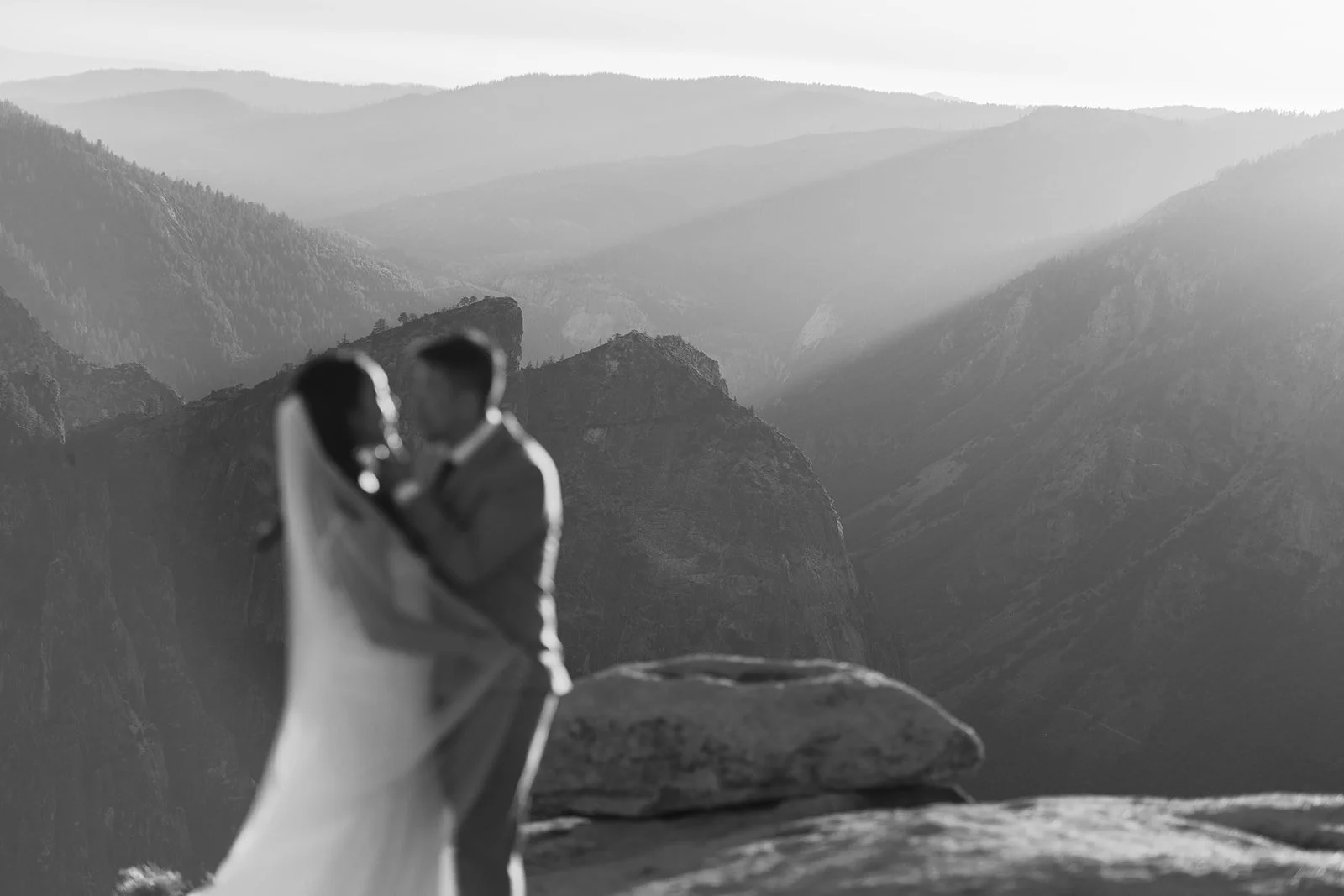
Start with what you want to experience and remember. A ceremony with nearby portraits has different needs from a wedding day that includes getting ready, hiking, and dinner.
Travel and walking are part of your coverage. So are getting settled at each location, taking breaks, and enjoying time together. A realistic timeline helps you choose coverage that supports the day you're planning.
I encourage couples to think about the full story they want documented. You may love having photos of the morning at your cabin, the ceremony, and the time you spend exploring afterward. Those moments can make your gallery feel connected to the experience rather than focused only on portraits.
What to Wear for Your Yosemite Wedding or Elopement
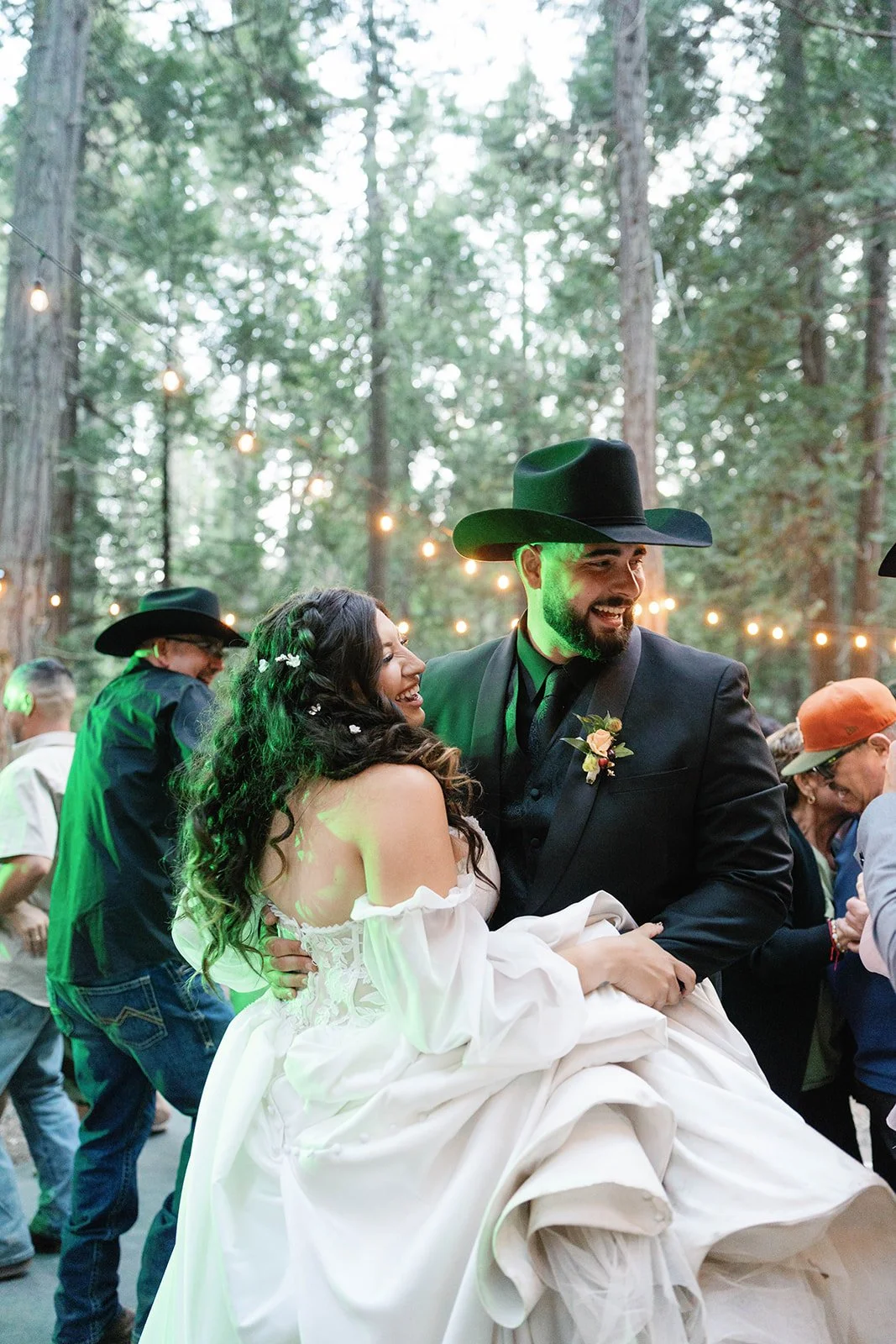
Choose clothes you love and can comfortably move in! Your wedding outfit should feel special while still working for the setting and activities you've planned. For dresses, consider how easily you can walk and sit. A train can be beautiful, but you'll want to be comfortable carrying it and letting the hem collect a little dirt. For suits and other outfits, make sure you can bend and take a full step.
Choose shoes with reliable traction, especially when your plans include trails or uneven ground. You can bring another pair for portraits where the terrain allows.
Layers are useful throughout the year. Bring pieces that suit the conditions and that you'll feel comfortable wearing in photographs. When you're warm, comfortable, and able to move freely, it's easier to enjoy the experience.
What to Pack for Your Yosemite Wedding
Your packing list depends on the season and your plans. Start with the essentials, then add anything specific to your activities.
Wedding clothes and accessories
Comfortable walking shoes
Warm layers and weather protection
Water and snacks
Rings and vow books
Marriage license for a legal ceremony
Approved ceremony permit
Downloaded directions and meeting information
Personal letters or meaningful items
Headlamps for routes that may involve darkness
A comfortable bag for your belongings
Keep the list practical, especially when hiking is part of your plans. Check your route and the weather before deciding what else to bring.
Activities to Make Your Yosemite Elopement Personal
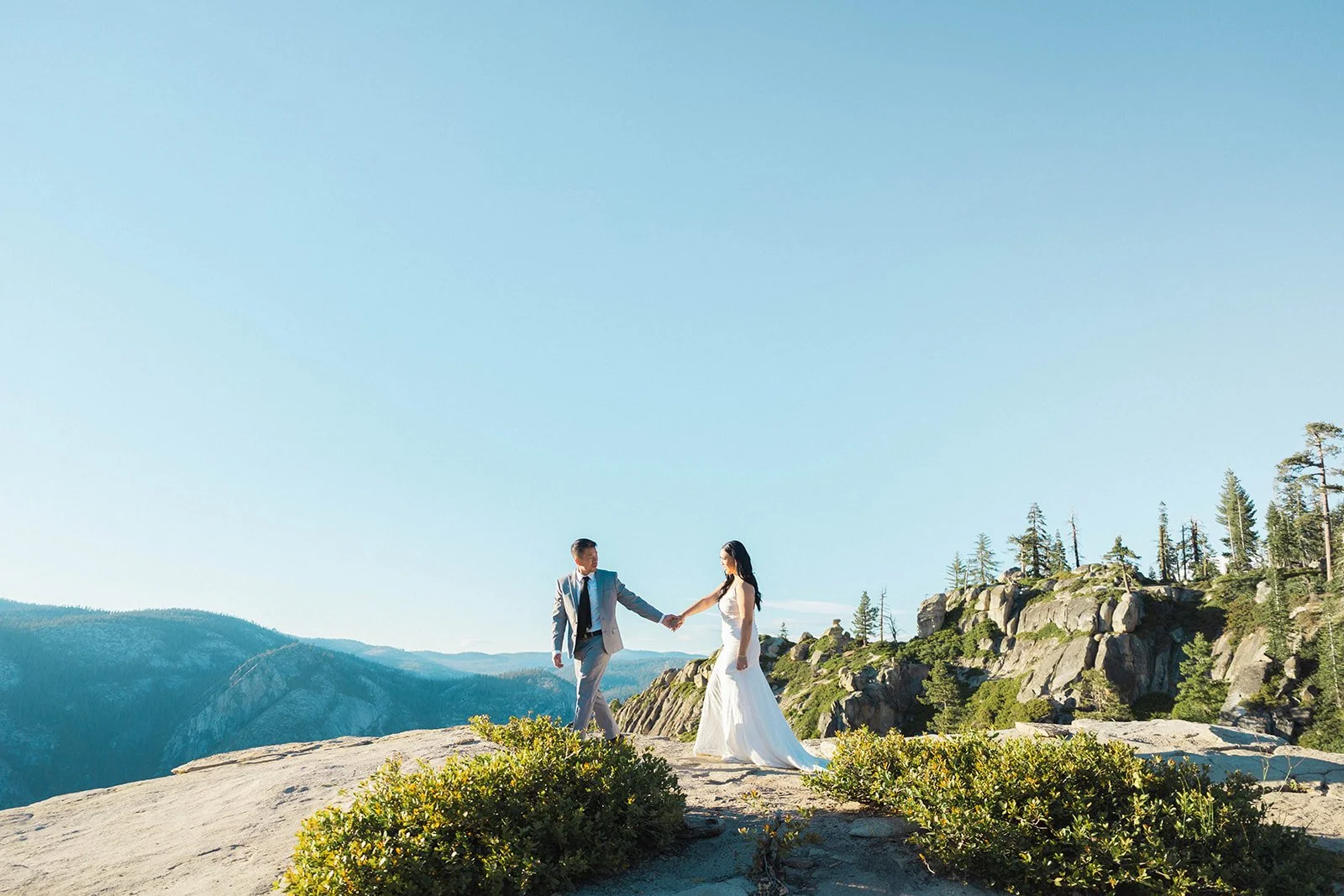
Your location gives you somewhere beautiful to begin. What you do together makes the day yours. You could make coffee together, cook breakfast at your cabin, help each other get ready, or share a first look before heading into the park. After the ceremony, you might hike, explore viewpoints, read letters from loved ones, or write a journal entry about the day.
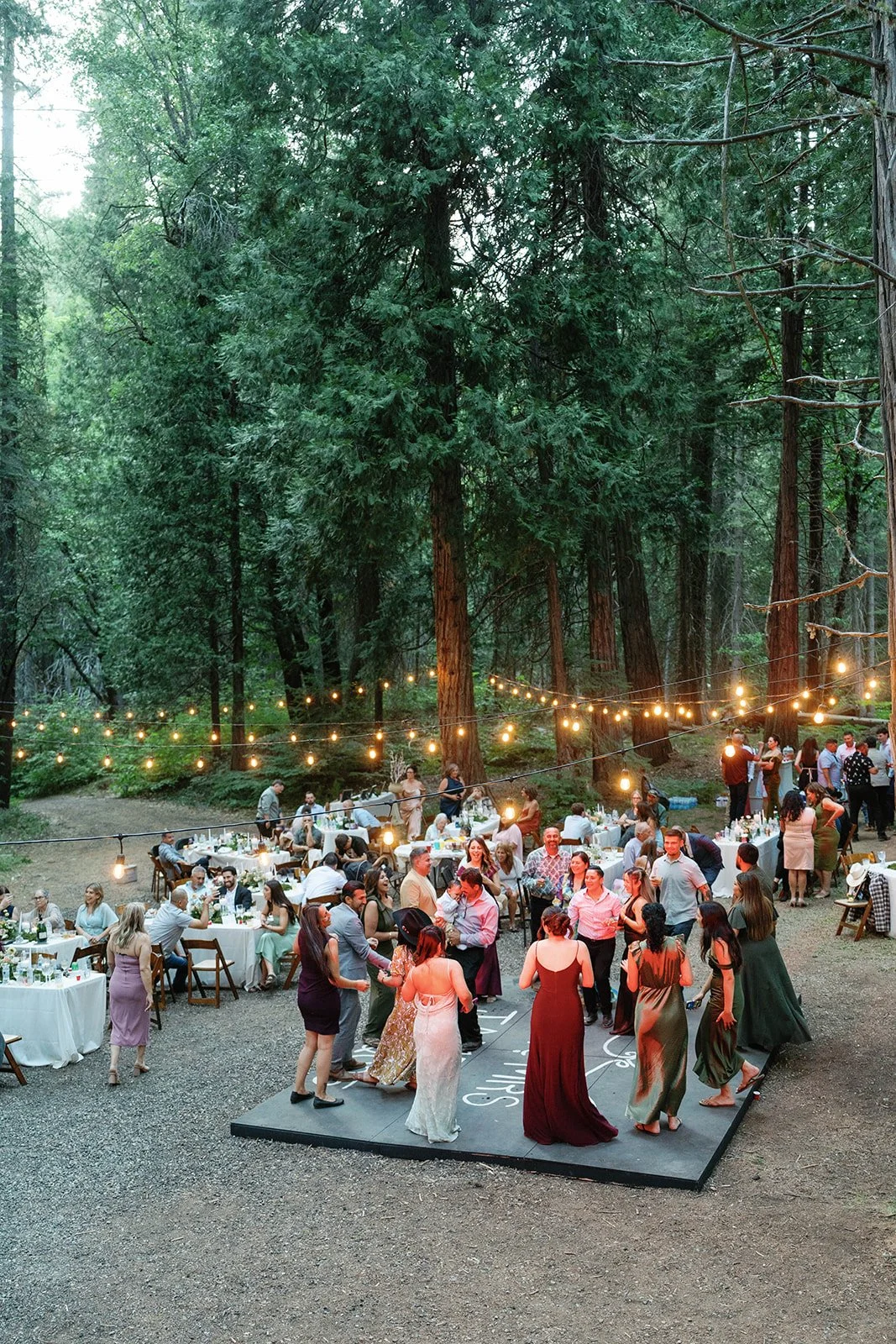
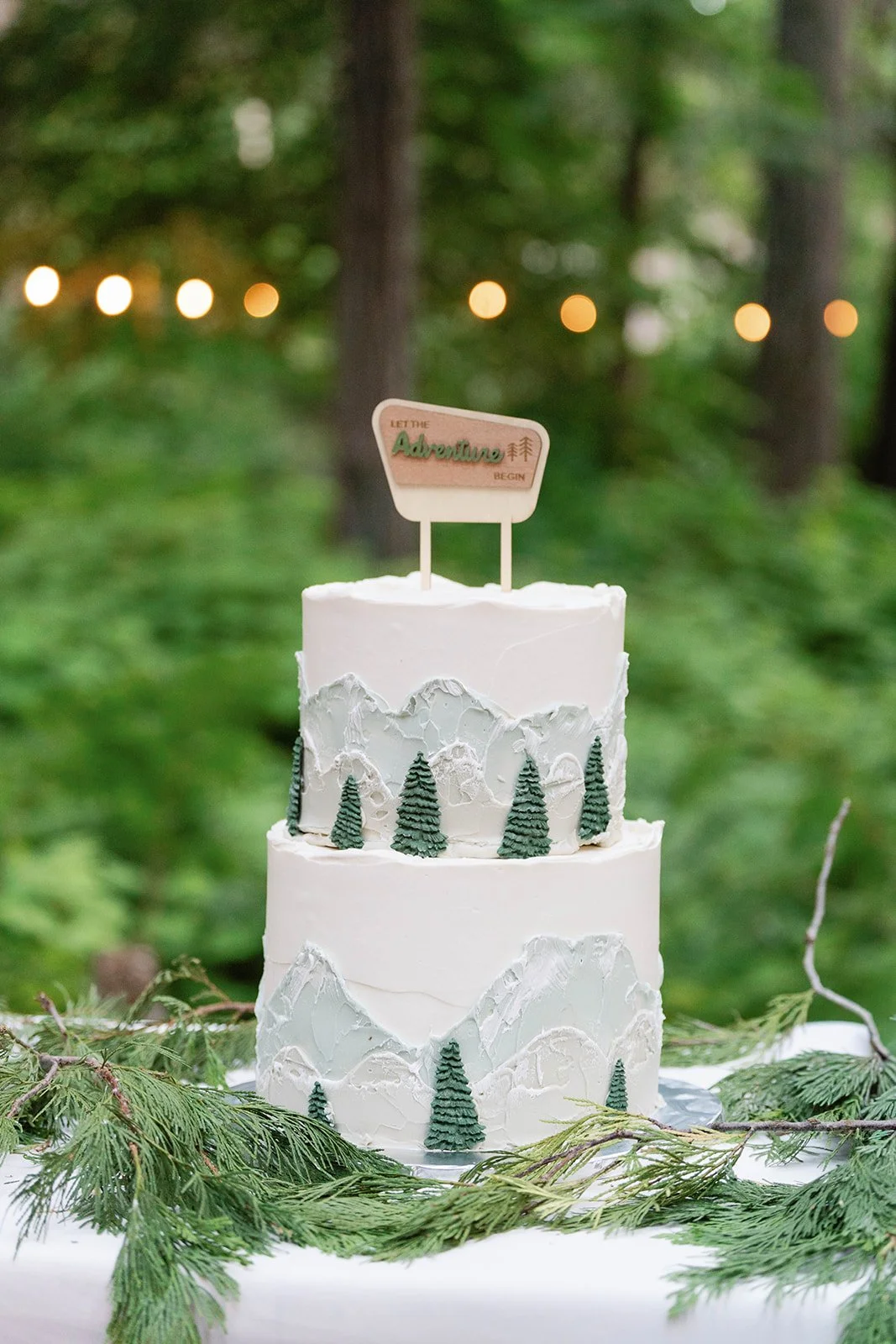
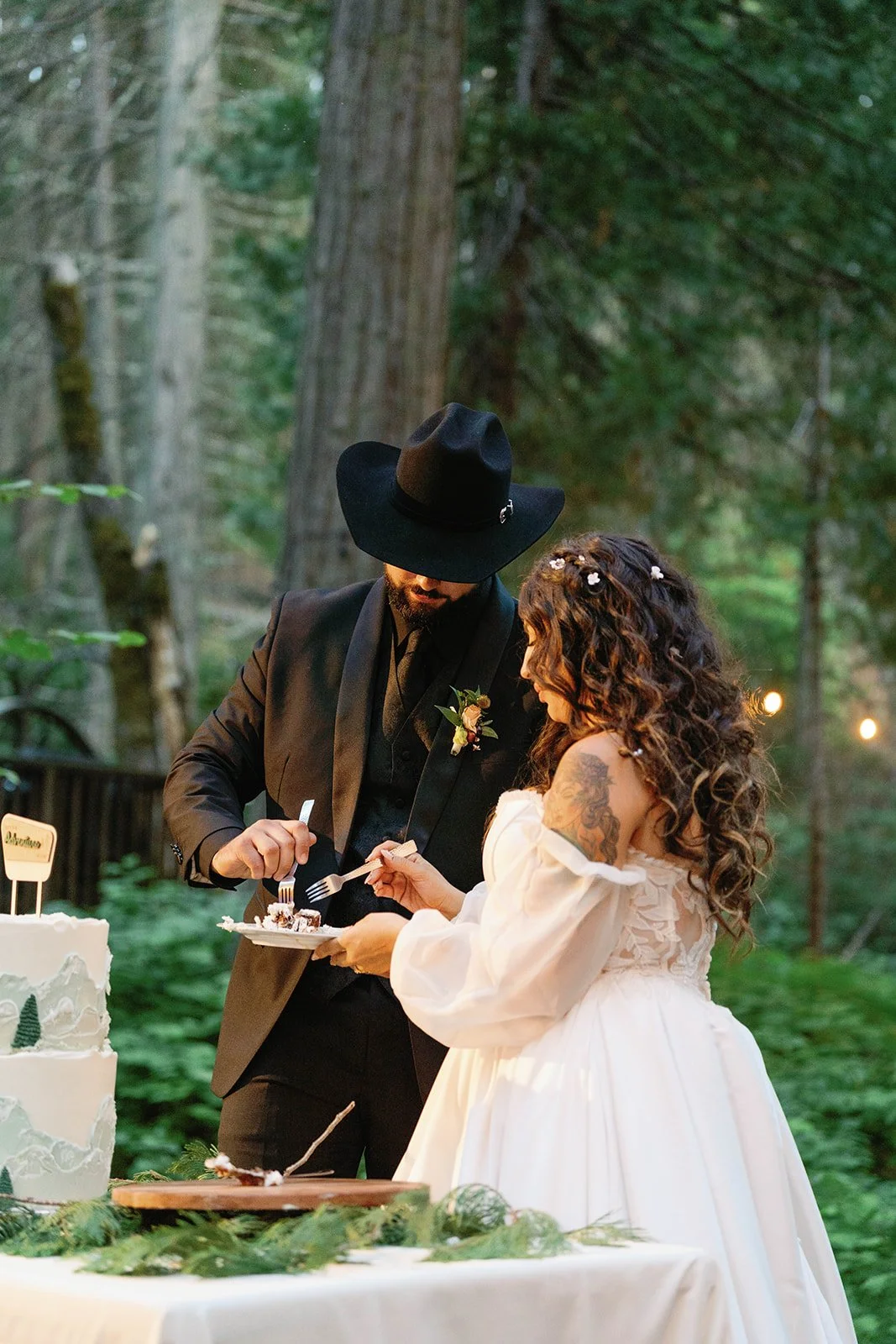
Other ideas include a picnic where permitted, hiring a private chef at your lodging, sharing a first dance, or cutting a small wedding cake during dinner. You could also stay an extra day to explore the area after the wedding.
Choose experiences you genuinely want rather than filling every part of the schedule. Each activity should fit the setting and its rules. For more inspiration, read my guide to adventure elopement activities! It can help you think beyond the ceremony and build a day around the things you love doing together.
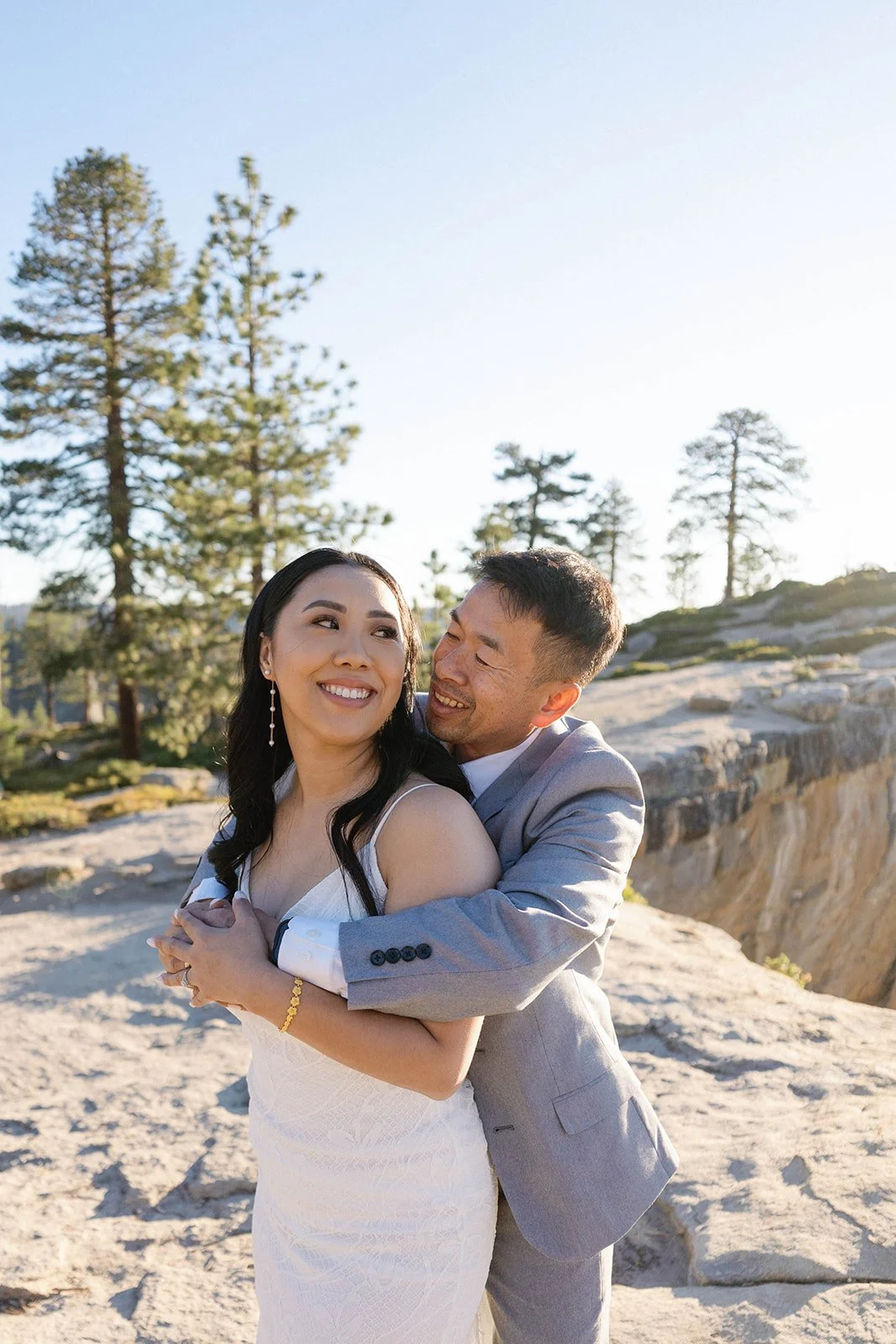
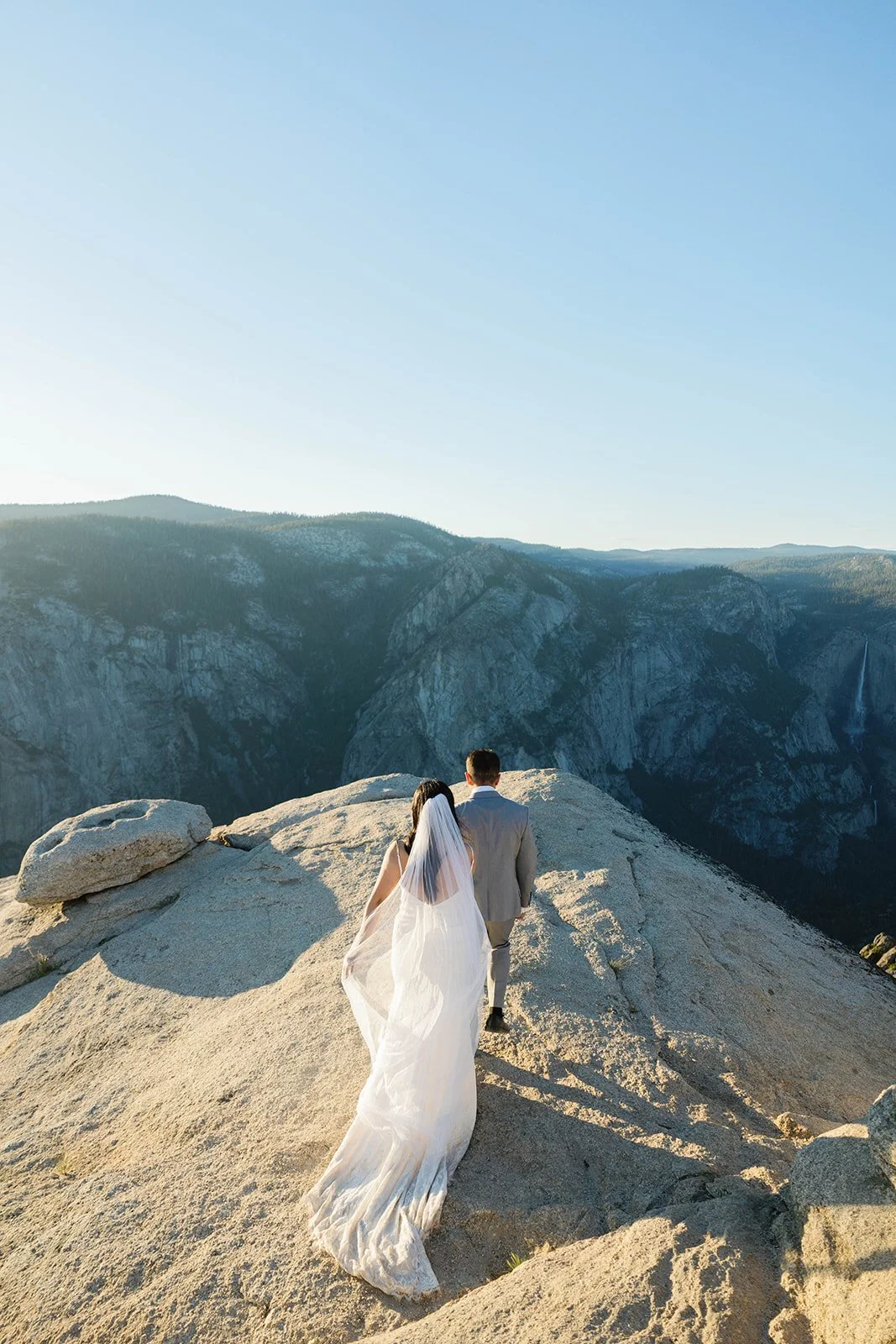
Where to Stay for Your Yosemite Wedding
Choose lodging based on your route as well as the atmosphere you love. Staying close to your planned locations can reduce driving and give you more time to enjoy the experience.
Options to explore include:
The Ahwahnee: A historic hotel in Yosemite Valley.
Yosemite Valley Lodge: A convenient option for couples who want to stay in the Valley.
Curry Village: A range of lodging options within Yosemite Valley.
Yosemite West: A community outside the Valley with cabin and vacation rental options.
Tenaya Lodge: A resort near the park's southern entrance.
AutoCamp: An outdoor-focused lodging option near Yosemite.
Cabins and vacation rentals: A good fit for couples who want space to get ready, cook, or relax together.
For a cabin or vacation rental, confirm the full drive to your ceremony location before booking. Make sure the property allows your plans, especially when you want to invite guests or hire a private chef.
You can find more ideas in my guide to the best places to stay near Yosemite National Park.
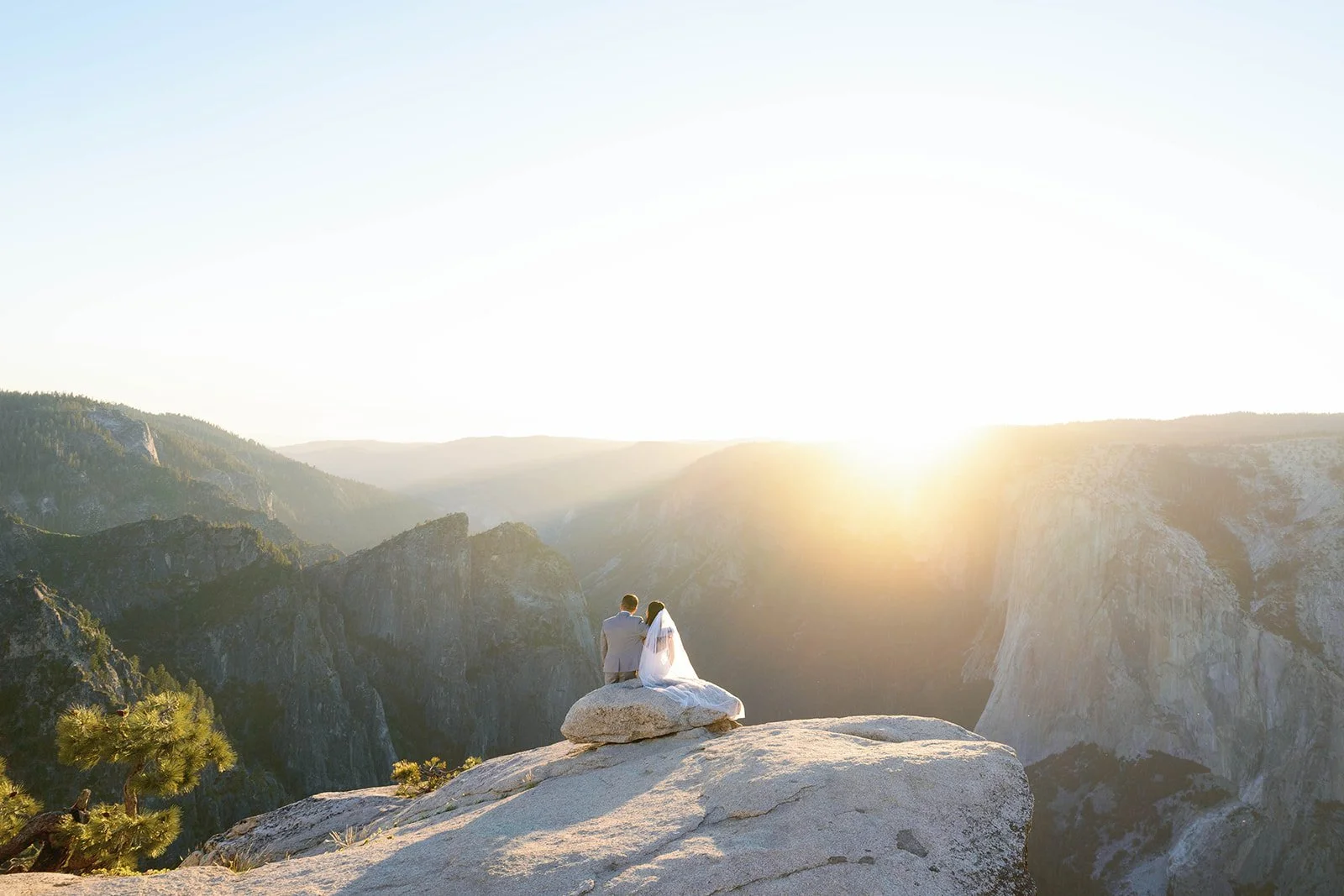
Dinner and Reception Options
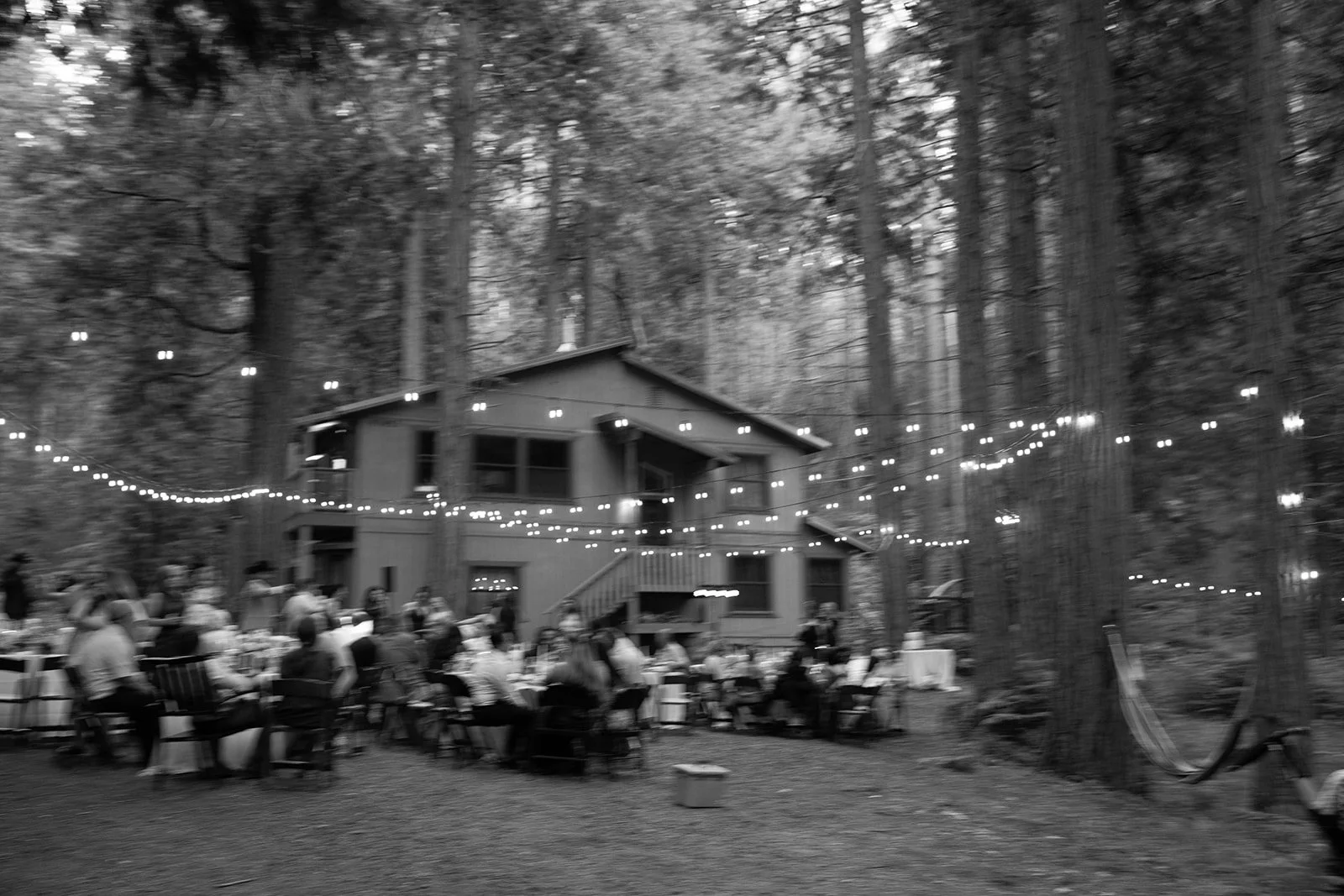
Your celebration can continue with a restaurant reservation or a separately booked private event. You could arrange dinner at a venue, reserve a table at a restaurant, or hire a chef at a property that allows it. Think about how far everyone needs to travel after the ceremony and whether you want to change clothes or take a break first.
A Yosemite ceremony permit does not authorize a formal reception in a park picnic area. Plan that part separately and confirm the rules for your chosen venue or property.
Tips for Planning a Stress-Free Yosemite Wedding
Choose Your Priorities First
Start by deciding what matters most. Maybe it's a waterfall ceremony, time with family, or an adventure that includes hiking and exploring. Your priorities will help guide your location and timeline decisions.
Leave Room in the Timeline
Driving estimates don't account for gathering belongings, finding parking, or walking to your ceremony spot. Build in enough time to enjoy each location without rushing.
Plan for Your Guests
Ask about mobility needs before choosing your ceremony setting. Consider the entire experience, from arriving at the park to getting back to the car and traveling to dinner.
Share Meeting Information Early
Download directions and agree on meeting points before entering areas where service may be unreliable. Share the schedule with everyone attending so they know where to go and when to arrive.
Check Current Conditions
Review road conditions, trail access, and park entry requirements as your date approaches. Information from a previous year may no longer apply, especially in areas affected by seasonal closures.
Make Time to Eat and Rest
Your comfort affects how much you enjoy the day. Plan meals, snacks, and breaks around your activities. You can still have an adventurous wedding without making every hour busy.
Plan for Weather and Road Closures
Rain can change the atmosphere of your photographs, while a road closure may affect which locations are available. During planning, we'll talk about what you love most about your chosen setting and identify alternatives worth considering.
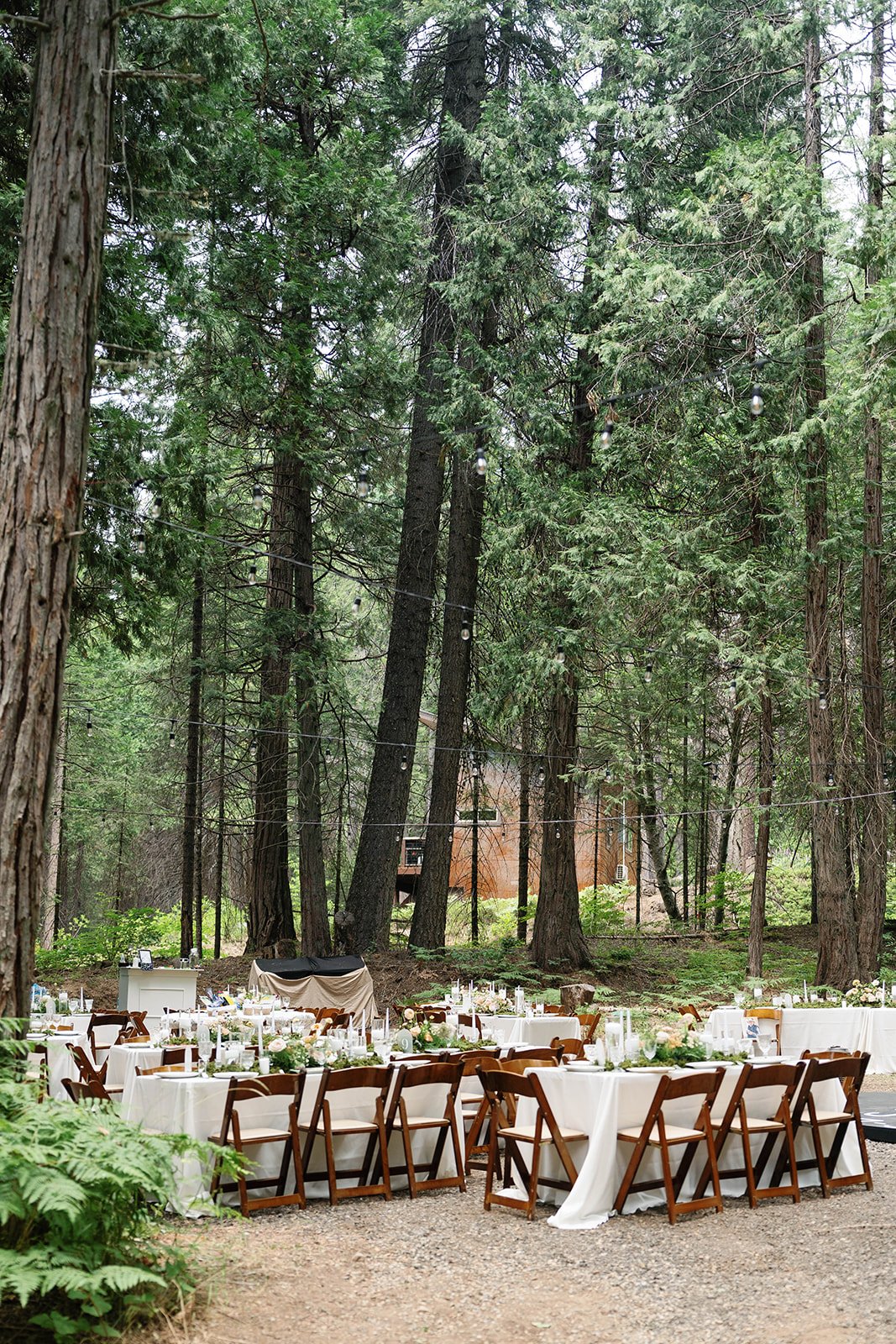
Why Hiring a Photographer With Yosemite Experience Matters
Your photographer helps shape the experience, especially when travel, seasonal access, and changing light are involved. Experience with Yosemite can help connect your location choices to a realistic schedule. It also helps you understand how much walking a location requires, how the light changes throughout the day, and how to build a route that makes sense.
My approach is to help you plan an experience you're excited about, then photograph you living it. I'll offer guidance when you need it and leave room for the moments that happen naturally.
Your photography is also an important part of your investment. After the wedding is over, your photographs are one of the ways you'll revisit the experience for years to come. I want your gallery to reflect more than what the day looked like. I want it to bring back the moments you shared and the feeling of being there together!
Yosemite Wedding and Elopement FAQs
Here are some questions you might have and my answers from 20 years of experience in Yosemite!
Do we have to hike?
No. Yosemite has options with shorter walks, and we can explore locations that suit your comfort level. We'll check the terrain and access carefully before choosing a setting.
Can we include our family?
Yes. Your group needs to fit the approved ceremony requirements for your location. Consider everyone's mobility, transportation, and comfort when choosing the setting.
Will our ceremony location be private?
Yosemite is a public national park, so privacy isn't guaranteed. We can plan thoughtfully around timing and visitor activity, but other people may still be nearby.
Can we visit more than one location?
Yes, when access and timing allow. We'll choose a route that gives you time to enjoy each place, accounting for driving, parking, walking, and the light.
Can we include getting ready and dinner in our photography coverage?
Absolutely. Getting ready, sharing a meal, and exploring together can all be part of your wedding story. Your coverage can reflect the experience you want to remember.
Can we legally marry before our trip?
Yes. You can complete the legal marriage separately and hold a commitment ceremony in Yosemite. The park's ceremony approval requirements still apply.
What If we don't know where to begin?
You don't need a finished plan before reaching out! Share the season you're considering, the scenery you love, and what you imagine doing together. We can start there and work through the details one step at a time.
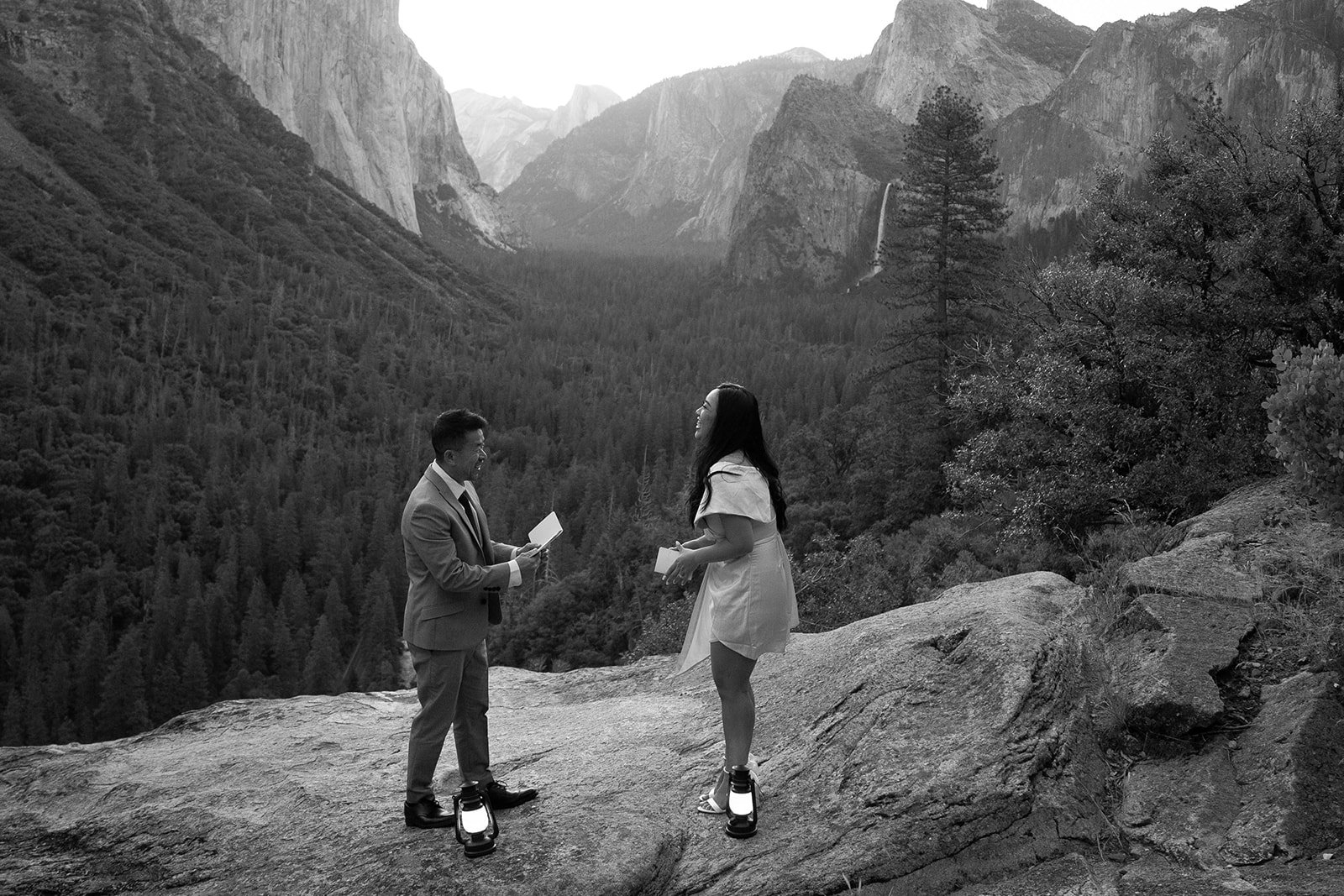
Start Planning Your Yosemite Wedding or Elopement
You might already have a favorite location, or you might simply know that you want to get married somewhere outdoors that feels meaningful. As a Yosemite elopement photographer, I help couples turn those ideas into a wedding day that fits them. Together, we can explore locations, plan a timeline, and make room for the experiences you want to remember.
Hiring a photographer who knows Yosemite can make a real difference to your planning experience. This is a place where seasonal access, travel time, and lighting can shape your day. Having someone who understands those details can help you make informed choices and enjoy the experience with more confidence. You don't have to figure everything out alone. Tell me what you're dreaming about, and we can begin creating a Yosemite wedding that feels like you!
Ready to start planning your Yosemite National Park elopement? Get in touch to learn more about my Yosemite wedding and elopement packages.
